
Options
Record options volume leaves the hedging question open
Same-day SPX options averaged 3.2 million daily contracts in the third quarter. Their effect on the underlying market depends on dealers’ net positions and how those positions change.
The SEC’s 2025 in-kind reform lets authorised intermediaries receive bitcoin or ether directly. Redemption figures alone cannot show whether those coins are then sold.
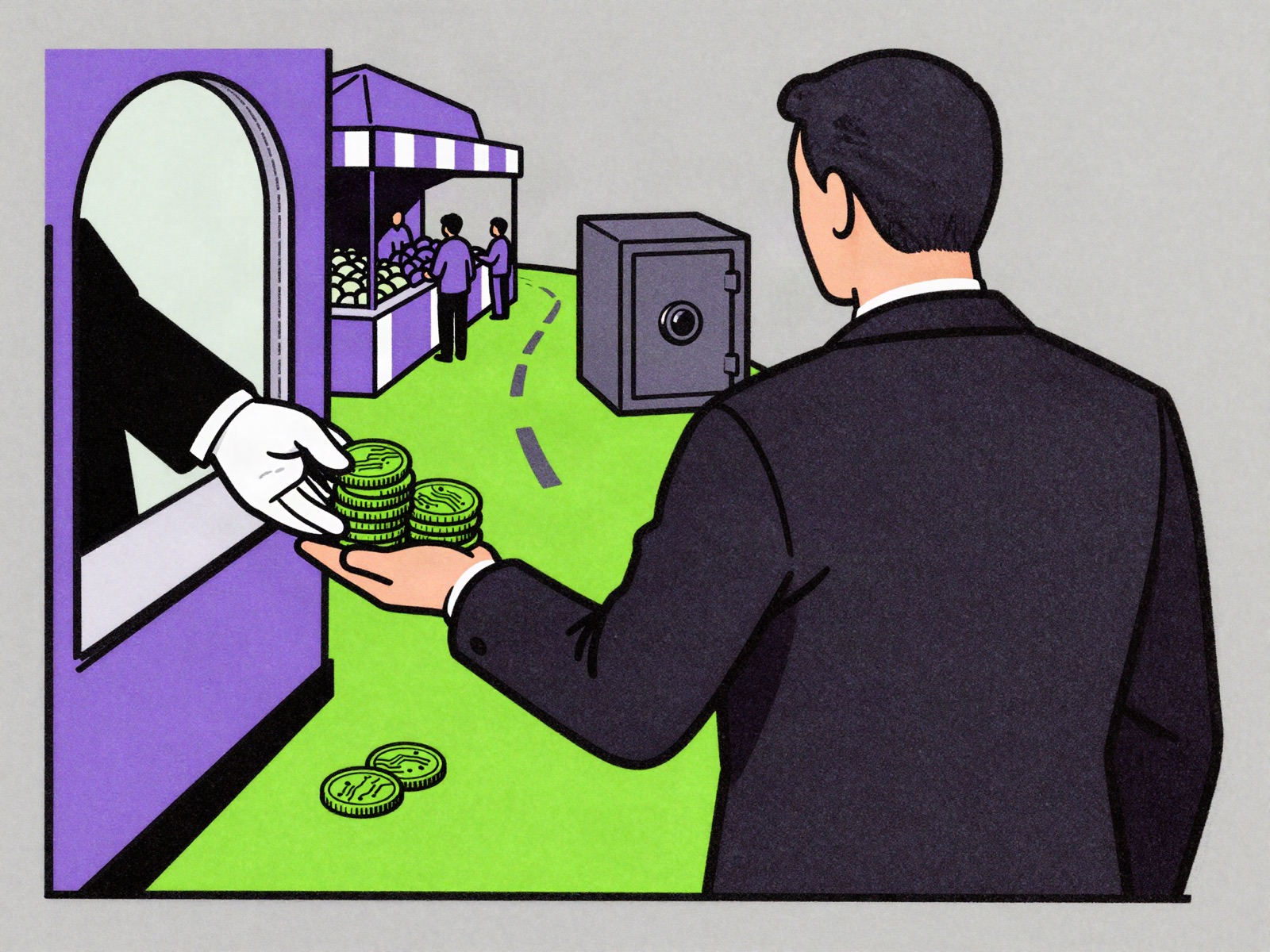
A redemption from an American crypto exchange-traded product can now transfer coins to an intermediary without requiring the product itself to sell them. On July 29, 2025, the Securities and Exchange Commission approved in-kind creations and redemptions for specified bitcoin and ether exchange-traded products. Authorised participants could deliver or receive the underlying crypto assets instead of routing every such transaction through cash. The approval announcement brought those products closer to the transfer process used by other commodity-based ETPs.
More than a year later, the reform also changes how flows should be read. A fall in a product’s holdings can reflect a transfer of coins to an authorised participant. Establishing whether that transfer led to a sale, or made execution cheaper, requires evidence beyond the redemption total.
Under a cash-only structure, the product must arrange the relevant purchases or sales of crypto assets when shares are created or redeemed. Commissioner Mark Uyeda’s statement on the decision identified transaction costs and price slippage as drawbacks. His case for in-kind transfers was that the extra flexibility could make managing exposure cheaper and better aligned with comparable products.
An in-kind route changes who needs to arrange the underlying trade and when. An intermediary that already holds the asset may be able to deliver it. One receiving the asset may decide how to use or sell it. The asset still has to reach the appropriate destination, and someone still bears the cost of sourcing and transferring it. The opportunity is to reduce unnecessary steps and coordinate existing positions more efficiently.
Consider an in-kind redemption received by an intermediary that already needs coins to meet another obligation. The transfer may meet that need directly. Another intermediary may sell the coins, or hedge them while deciding what to do. The redemption has the same direction in the product’s flow data, but the subsequent market transactions differ.
The public flow statistic does not necessarily reveal those later transactions. In-kind processing can move a sale from the product to its counterparty, or avoid a sale when the recipient has another use for the asset. The permitted route alone establishes neither outcome.
For ordinary shareholders, the reform principally concerns the institutions operating the product’s primary-market mechanism. The SEC order permits changes involving authorised participants. Ordinary retail holders do not gain a general right to exchange a few listed shares for coins through a personal wallet. Product terms and the permitted participants continue to govern the process.
The benefits that reach a shareholder can appear in several places. More efficient underlying execution could reduce friction in the creation and redemption process. Competitive intermediaries might reflect lower costs in the prices at which they are willing to trade the listed shares. A product could experience a smaller drag from certain transactions. Each channel would need to be measured separately.
A tighter quoted spread, for example, does not establish that every large order became cheaper to execute. A smaller difference between a share price and reported asset value can also reflect calmer underlying markets. A fair assessment would compare like-for-like conditions and distinguish the product’s expenses, execution costs and the shareholder’s own trading price.
The SEC’s announcement described the reform as a source of flexibility and cost savings. It did not eliminate volatility in bitcoin or ether. Nor does an in-kind transfer remove the need for reliable custody, correct transfer instructions and a process that works when one part of the transaction is delayed. Moving an asset directly can simplify one sequence while leaving operational responsibilities intact.
The cost of that process is distinct from the return on bitcoin or ether. A product may execute transfers efficiently while its holdings fall in value. Assessing the reform therefore means separating transaction costs and operational reliability from the performance of the underlying asset.
Product-level disclosures are the missing link between permission and savings: how often the route is used, what it costs, and whether quoted spreads and deviations from asset value improve under comparable conditions. Until those results are established, the clearest analytical gain is in reading flows. A redemption records assets leaving a product; tracing any resulting sale requires following them to the recipient.
Same-day SPX options averaged 3.2 million daily contracts in the third quarter. Their effect on the underlying market depends on dealers’ net positions and how those positions change.

USDA expects more cotton at the end of 2026/27 than it did a month ago. The stockpile would still shrink over the season, with Brazil projected to outship the United States.

The second US-index reconstitution of 2026 takes effect after the December 11 close. Ranking, initial membership lists and implementation create different trading decisions.