
Streaming advertising
The other customer
Netflix has cut its advertising-revenue forecast as new capabilities arrive more slowly than planned. Satisfying advertisers takes more than a growing audience.
Costco’s membership income gives it room to compete on price. Keeping that income requires the bargain to remain convincing.
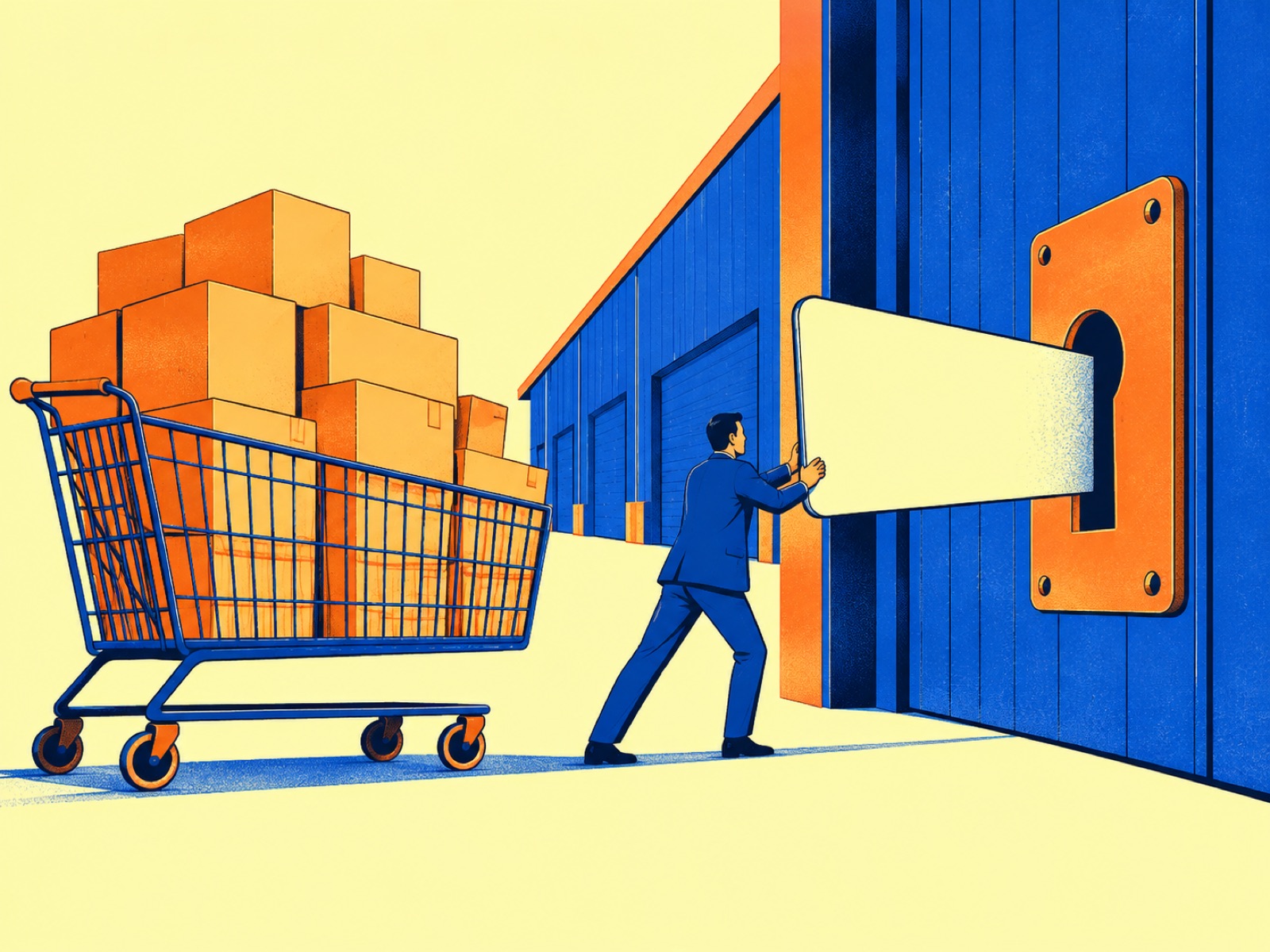
The most important sale Costco makes to a household may happen before anything goes into the trolley. Its annual membership fee buys access to the warehouses and gives the retailer income beyond the mark-up on merchandise. For the 52 weeks ended August 30th 2026, that income totalled $5.907bn, against operating profit of $11.685bn. Membership revenue was about half as large as operating profit. It was not, however, a separately measured pot of profit: Costco needs the shops, staff and goods to make the fee worth paying. Its September 24th fiscal-year results report one combined retail business.
That relationship gives Costco a reason to forgo some merchandise margin. A household deciding whether to renew is judging the savings and service accumulated over many visits. Raising prices on individual items might produce more money today but weaken the case for paying next year. Membership income therefore depends on how the retail business behaves; it is not a cushion that can safely be taken for granted.
A US Gold Star membership costs $65 a year, according to Costco’s company profile. Access includes its Kirkland Signature range and a broad assortment of other goods. A household can spread the fee across groceries and discretionary purchases rather than needing one category to justify it. Postponing a furniture purchase need not mean abandoning the warehouse altogether.
The calculation remains personal. Savings on a large pack are less useful if some of it goes to waste. Storage, distance and the alternatives nearby can matter as much as the advertised unit price. The membership fee is a fixed expense for the household; buying more to make it feel worthwhile can leave the household worse off. The relevant comparison is the cost of purchases it would sensibly make anyway.
Costco’s higher tier offers a more explicit calculation. Its Executive terms specify an additional $65 annual upgrade charge and a 2% reward on eligible purchases, capped at $1,250. Petrol is among the exclusions. Ignoring taxes and other benefits, $3,250 of qualifying annual spending earns $65, covering the upgrade charge. That threshold applies to the extra tier, not to the economics of joining Costco in the first place.
For someone already making those purchases, the reward can encourage consolidation at one retailer. For Costco, it also costs money. Treating the whole higher membership fee as incremental profit would miss the expense of earning the customer’s additional business. The commercial question is whether the combination of fee income and shopping activity pays for the reward and the services behind it.
Costco’s annual net sales rose 10.1% to $297.247bn. Comparable sales, excluding changes in petrol prices and foreign exchange, increased 6.6%. The two measures describe different things: overall expansion and growth on a comparable basis after specified adjustments. Neither establishes that every member took home more goods.
More customers can support the business while making the membership promise harder to deliver. Availability, queues and convenience help determine whether paying to shop still seems sensible. A fee also gives the customer a reason to be particularly irritated by a poor experience. These are pressures to watch as the business grows, not evidence that Costco’s service has deteriorated.
The annual payment changes how a discount should be judged, too. An offer can be worthwhile even if little is earned on that particular item, provided it helps retain a profitable shopping relationship. But describing a discount as an investment in loyalty is not an answer to the cost question. Additional visits and renewals must eventually compensate for the margin given up.
For a member, the test is whether realistic savings exceed the fee and the extra costs of shopping there. For Costco, it is whether delivering those savings keeps enough customers paying and returning. The two calculations are connected: extracting more from the membership today becomes expensive if it weakens the reason to renew tomorrow.
Netflix has cut its advertising-revenue forecast as new capabilities arrive more slowly than planned. Satisfying advertisers takes more than a growing audience.
IKEA’s new European price cuts renew a difficult bet: accepting less on each sale can strengthen the business only if customers respond.

Deere’s improving group profit conceals a weaker large-farm business. Calling the bottom still requires customers to place orders.