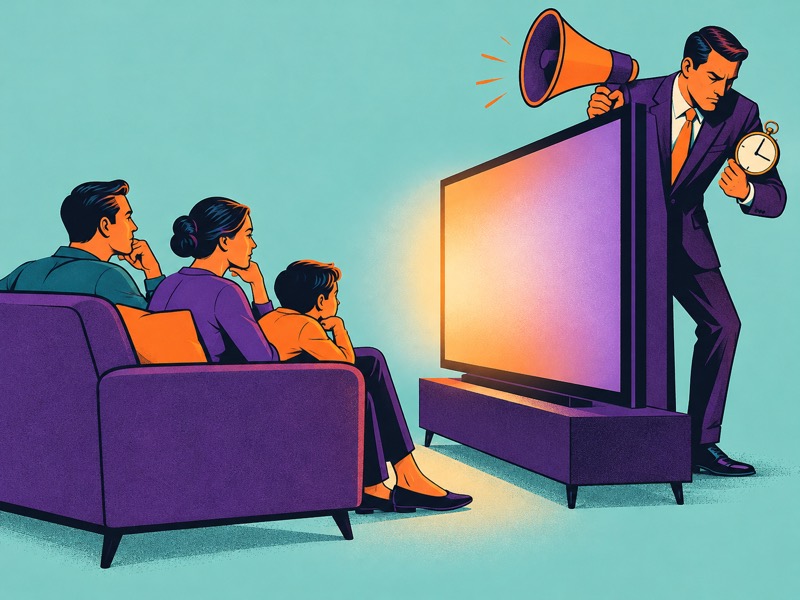
Streaming advertising
The other customer
Netflix has cut its advertising-revenue forecast as new capabilities arrive more slowly than planned. Satisfying advertisers takes more than a growing audience.
Nintendo’s hardware sales fell in its June quarter while operating profit rose sharply. Software and a tariff refund explain why.
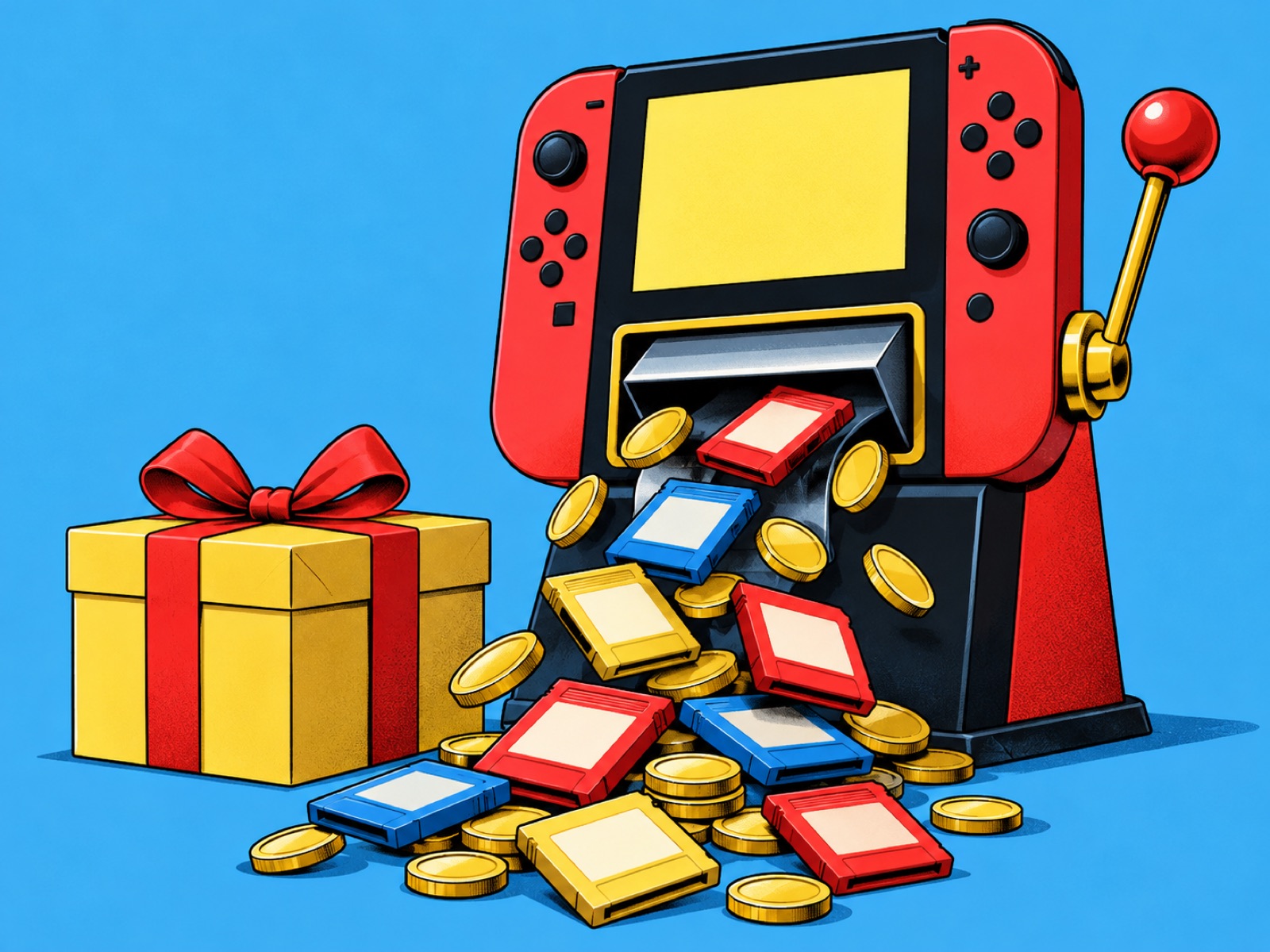
Nintendo’s older platform was still doing valuable work a year after Switch 2 arrived. Original Switch software sell-in reached 33.81m units in April–June 2026, against 9.46m for Switch 2 software. One prominent contributor was Tomodachi Life: Living the Dream, a new Switch release in April that sold 7.94m units during the quarter. Nintendo’s August 6th results show why the age of a platform should not be confused with the age, or earning power, of its games.
The contribution matters because fewer new consoles did not mean less operating profit. Sales fell 9.5% to ¥517.8bn, while operating profit rose 150.5% to ¥142.6bn. Nintendo attributed the improvement partly to a larger software contribution and refunds of previously expensed US tariffs. The refund needs to be kept separate from the economics of selling games; both helped the quarter, but they say different things about what may recur.
Switch 2 hardware sell-in fell from 5.82m units in April–June 2025, its launch quarter, to 3.82m a year later. The results presentation defines these as Nintendo’s sales to outside entities, including retailers and direct customers. They are not exclusively purchases by final consumers. The software totals are also sell-in figures, rather than a separate measure of end-consumer sell-through.
A launch has to fill a distribution pipeline as well as get machines into homes. Comparing those shipments with a later quarter requires care. The fall in reported hardware units is real, but the comparison alone does not describe every change in consumer appetite for the console.
Software reaches a wider pool than the people buying a machine that quarter. Existing owners can buy another game without replacing their hardware. Nintendo’s older audience therefore remains commercially relevant even as the company builds the newer one. The Tomodachi release is a particularly clear example: fresh software can earn on an established platform.
Compatibility adds another connection between the generations. Nintendo’s guidance says Switch 2 can play compatible physical and digital Switch games, while warning that some titles are unsupported or have limitations. The claim is not that every older game works. For a customer whose games do work, carrying a library forward can still reduce the perceived cost of upgrading.
That makes an old-platform software sale ambiguous as a signal of hardware preference. The buyer might be an existing Switch owner keeping the machine, or someone intending to play the game on a compatible Switch 2. The reported figures do not reveal those motives. Either purchase can provide Nintendo with business during the transition.
The benefit also addresses a familiar launch problem. A new console needs games to attract buyers, while developers need an audience to justify making games. An existing catalogue gives early purchasers more to play while the new platform’s software selection develops.
Dividing software units by new hardware units would not reveal how much each new console owner spent. Games go to earlier hardware buyers too, and the software-unit totals include bundled copies. Nintendo’s presentation says revenue from software bundled with hardware is classified entirely as hardware revenue. A software unit and a separately recorded software sale are therefore not interchangeable.
The same presentation reports roughly $300m of tariff refunds as a reduction in quarterly cost of sales. That supports the reported profit but does not establish a repeatable improvement in game margins of the same amount. Conversely, recognising the refund’s effect does not erase the separate benefit of a stronger software mix.
Nintendo now has to give existing owners reasons to keep buying games and prospective buyers reasons to choose the newer machine. Compatibility can ease the move, but an upgrade still needs to feel worthwhile. The quarter’s old-platform software sales show there is money to earn while customers make that decision. The hardware decline and the profit increase are not contradictory once the platform’s continuing audience, bundled sales and tariff refund are considered separately.
Netflix has cut its advertising-revenue forecast as new capabilities arrive more slowly than planned. Satisfying advertisers takes more than a growing audience.
IKEA’s new European price cuts renew a difficult bet: accepting less on each sale can strengthen the business only if customers respond.
Costco’s membership income gives it room to compete on price. Keeping that income requires the bargain to remain convincing.