
Youth employment
The first job is still the hardest qualification
An October ILO brief puts hiring practices under scrutiny as young people struggle to get the experience employers demand.
The World Bank’s June 2025 revision added 125 million people to its estimate for 2022. Understanding the change is essential to judging progress.
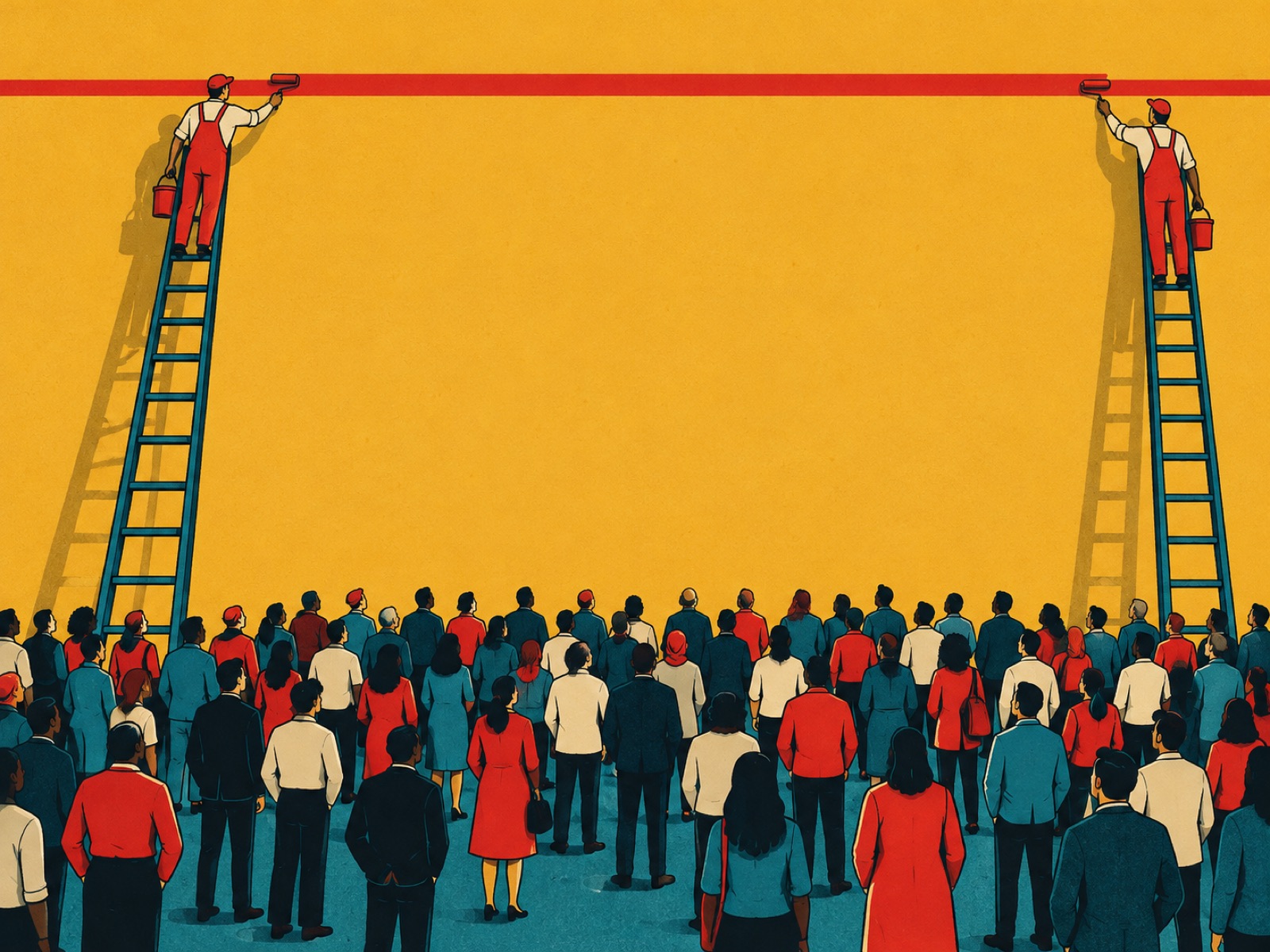
When the World Bank updated its international poverty line in June 2025, the estimated number of people in extreme poverty in 2022 rose to about 838 million. The previous published estimate had been 713 million. The additional 125 million were a revision to the description of the same year, not a population that had suddenly become poorer on the announcement date. That distinction remains essential whenever governments claim progress against the revised benchmark.
The line moved from $2.15 a day in 2017 purchasing-power terms to $3 in 2021 terms. The update combined new international price comparisons, revised poverty thresholds and changes to household-survey information. It cannot be understood as a simple increase in a cash dollar allowance.
The revision changes the starting point for evaluating progress. Anyone comparing a later estimate with 2022 must first ask whether the earlier number has been recalculated on the same basis. Otherwise, an apparent change in living standards could come partly from a change in the measuring instrument.
The Bank's measurement guidance explains that its global thresholds are derived from national poverty lines in the relevant income groups. Alongside the extreme-poverty line, it uses $4.20 and $8.30 benchmarks associated with lower- and upper-middle-income economies. All use the updated purchasing-power framework.
Each threshold answers a different question about deprivation. A family can cross the extreme-poverty line and still have almost no buffer against a lost job, an illness or a rise in essential costs. The crossing is a gain worth recording. Whether it can survive a setback requires evidence about the resources the family has left to fall back on.
To assess change over time, the useful comparison holds the statistical framework consistent. An old headline and a new headline may differ because the world changed, because the information improved or because the benchmark was updated. A credible account identifies which of those things it is describing.
Household surveys supply the foundation. The World Bank's October 2025 explanation describes how national statistical offices collect income or consumption data, after which the information is made more comparable across places and years. Because surveys do not take place everywhere annually, models fill gaps between observations and estimate more recent conditions.
Estimation allows countries with older surveys to remain in the global picture. Readers need to know which parts of that picture come from recent observations and which depend on updating assumptions. A neatly rounded global total combines information collected at different times; it cannot supply a simultaneous census of household circumstances.
This matters most when conditions change abruptly. A national growth estimate can help update an older household survey, but the distribution of a shock may differ from the distribution assumed in an aggregate projection. The policy question is who lost purchasing power and why. Additional local evidence is valuable even when a global estimate is available.
The Bank's revision factsheet says national poverty lines remain more appropriate for country-level policy discussions and programme targeting. A global threshold is designed for comparison. It cannot, on its own, determine an adequate benefit or identify every household needing support.
There is a practical reason for keeping those roles separate. A programme must operate with local information, administrative capacity and a budget. Choosing its beneficiaries solely to maximise improvement in an internationally reported headcount could neglect people just above the line or people far below it whose circumstances are harder to change.
The World Bank's current overview also emphasises the slowing pace of poverty reduction and its concentration in Sub-Saharan Africa and places affected by conflict and fragility. Better measurement makes those difficulties clearer; it does not remove them.
A credible claim of progress should name the threshold, the purchasing-power basis and the years being compared. Programme design then needs to go further, asking how far below the line people are and how exposed those just above it remain. The extra 125 million in the revised 2022 estimate sharpen that responsibility without describing a new economic shock.
An October ILO brief puts hiring practices under scrutiny as young people struggle to get the experience employers demand.
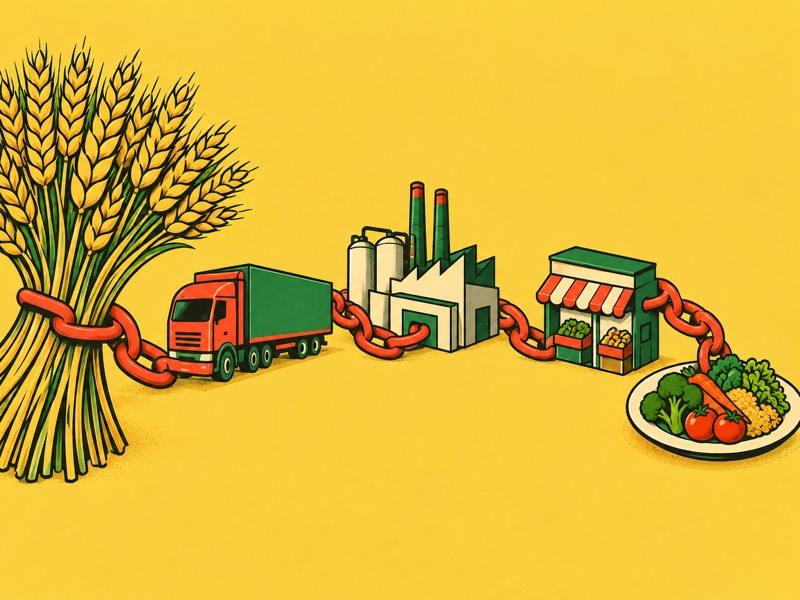
September's rise in international food prices is a warning signal. Household affordability depends on a longer chain of costs and incomes.
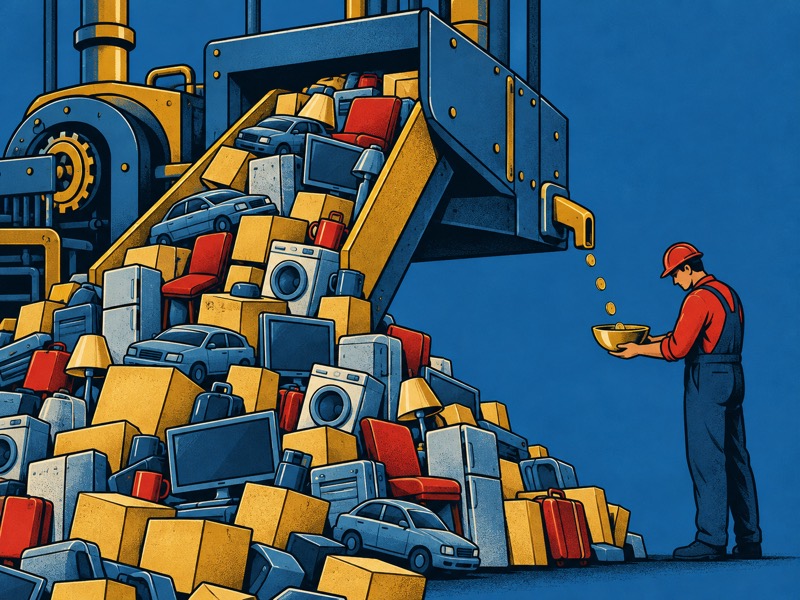
US nonfarm productivity rose in the year to Q2 2026 while real hourly compensation edged down. The household benefit needs to be measured separately.