
Youth employment
The first job is still the hardest qualification
An October ILO brief puts hiring practices under scrutiny as young people struggle to get the experience employers demand.
September's rise in international food prices is a warning signal. Household affordability depends on a longer chain of costs and incomes.
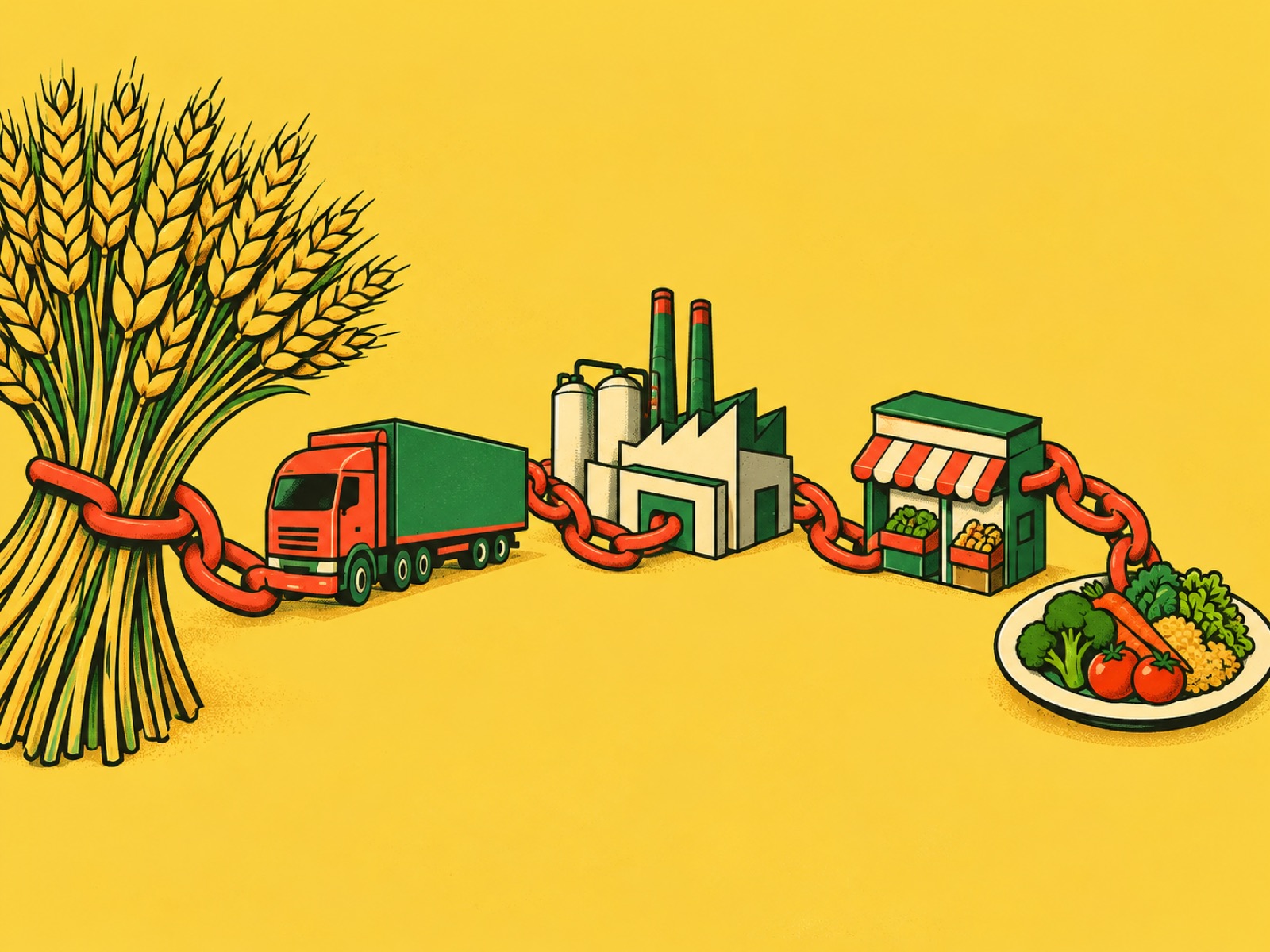
The weekly food bill starts taking shape long before a shopper reaches the till. Currency movements, transport and household income all intervene between a world commodity quotation and an affordable meal. The UN Food and Agriculture Organization's index averaged 136.0 in September, up 1.5% from August and 5.8% from a year earlier. The October 2nd release still put it 15.1% below its March 2022 peak. That is a rise in the international cost of commodities, with further costs still to come before food reaches a supermarket.
For governments, the difficult question is where to intervene. A household short of income needs a different response from a market short of reliable refrigerated transport. Using the commodity index as a complete diagnosis risks spending money on the most visible price rather than the binding constraint.
The FAO measure combines five commodity groups, weighted by their export shares. A household's shopping basket has different weights and includes costs incurred after a commodity crosses a border or leaves a farm. The index is useful for identifying common international pressure. It is not designed to reproduce every country's consumer-price experience.
Consider an importer buying the same quantity of food at an unchanged dollar price. A weaker domestic currency can still increase its local-currency cost. Transport, storage, processing and retail expenses then affect the final price. Conversely, cheaper international grain does not ensure an equally large decline in the price of bread. These possible effects need to be traced through domestic data; the world index cannot identify their contribution to a particular shopping bill.
The World Bank's September food-security update supplies part of that domestic picture. Drawing on data available by September 16th, it reported continued price pressure in low- and lower-middle-income countries. Many recorded food inflation above 5% in the June–August period. That assessment captures conditions within countries, rather than simply restating the world commodity index.
Even a domestic food-inflation rate leaves something out. It measures a change in prices, not whether the starting level was affordable. Slower inflation can therefore coexist with continued hardship. Prices rising less quickly do not mean that a family's food budget has recovered.
A separate UN report, released in July, provides a more direct view of affordability. It estimated the global average minimum cost of a healthy diet at 4.28 purchasing-power-parity dollars per person per day in 2025, compared with 3.44 in 2021. Yet the estimated number unable to afford that diet fell from 2.97 billion to 2.69 billion over the same period.
The two measures can move in opposite directions because affordability relates costs to the resources available to meet them. A dearer nutritious basket can become affordable to more people if their resources improve sufficiently. The global totals establish that broader picture, while leaving the contribution of particular income changes and policies unresolved.
Nor is the PPP figure a sum that every household could spend at a bank's exchange rate. It is a comparison adjusted for purchasing power. The measure concerns locally available foods meeting dietary requirements; it is not a complete family budget.
The regional picture is less reassuring. The July report estimated that 66.6% of Africa's population could not afford a healthy diet in 2025. It also emphasised the costs of moving and handling food after production, including logistics and cold chains. The global improvement leaves a large regional affordability gap.
The policy response should depend on the constraint. If households lack purchasing power, targeted income support addresses a different problem from a better storage network. If perishable food cannot reach consumers reliably, improving distribution may matter even when staple-grain supplies are adequate. Each intervention needs evidence about who benefits and what it costs.
Broad price subsidies can make a visible difference at the till, but their fiscal cost and distribution deserve scrutiny. A programme that pays more to households buying more food is not automatically the best protection for those with the smallest budgets.
September's increase deserves attention, but a successful response must reach the dinner table. That means checking which foods families can buy with the income left after other essentials, and where costs accumulate on the way to market. A fall in an international index would be welcome. It would leave those questions open.
An October ILO brief puts hiring practices under scrutiny as young people struggle to get the experience employers demand.
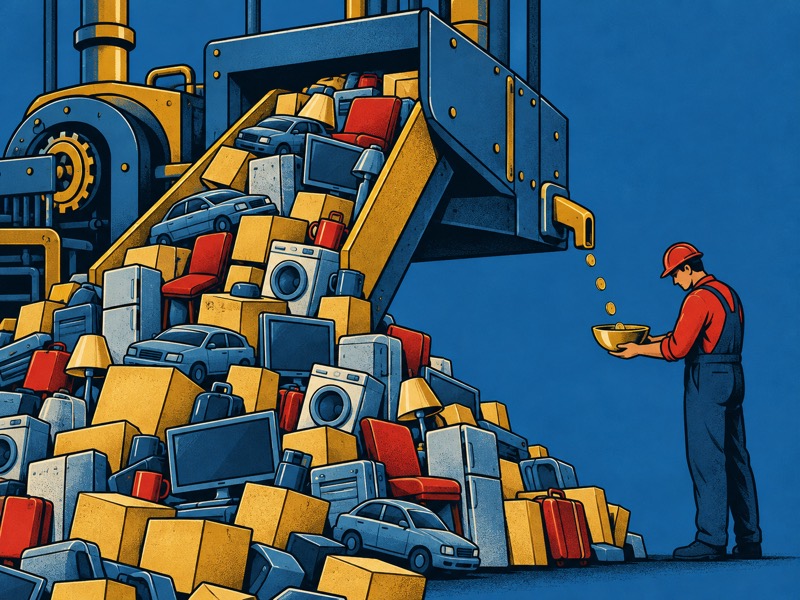
US nonfarm productivity rose in the year to Q2 2026 while real hourly compensation edged down. The household benefit needs to be measured separately.
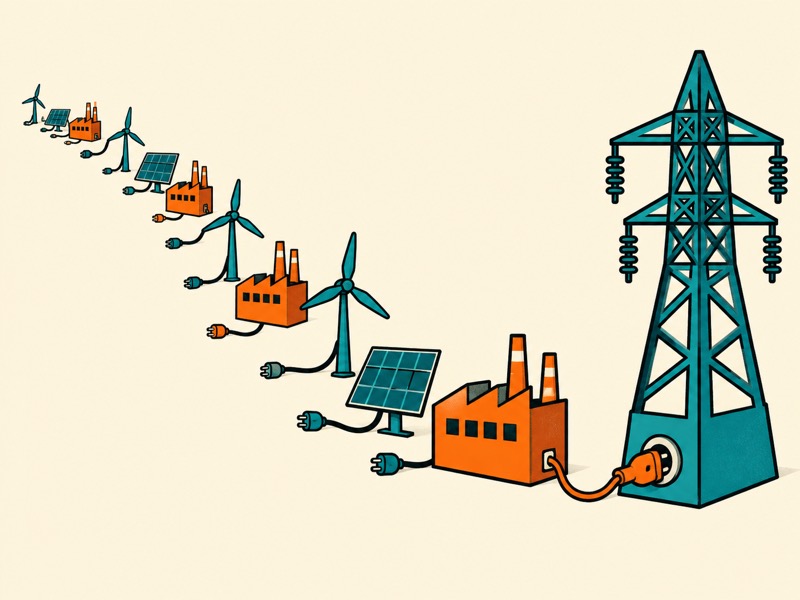
Power demand is growing, but connection delays can leave factories and generators waiting. A shrinking queue offers little reassurance unless projects enter service.