Energy security · European Union
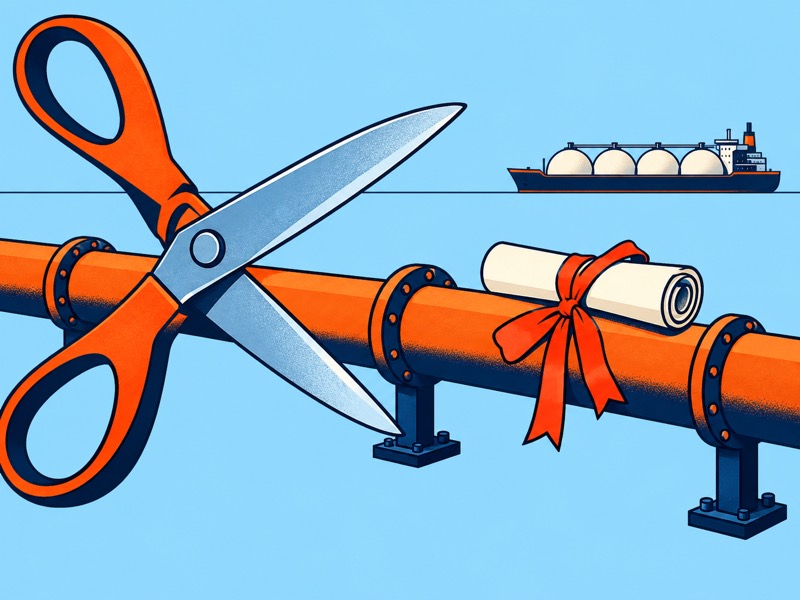
Europe’s gas exit comes down to contracts
The January 2027 deadline for qualifying Russian LNG contracts is approaching. Buyers’ bargaining power will depend on what they have arranged to replace them
Canada’s SAFE agreement shows how European defence loans can shape the origin of components and control over the weapons they go into

A defence loan can influence a weapon’s supply chain before a government places the order. Europe’s Security Action for Europe instrument, or SAFE, attaches conditions to the companies and components that qualify. Canada’s agreement shows how those conditions can be negotiated: signed on February 14th and formally concluded by the EU Council on June 15th, it covers Canadian companies and products in SAFE procurement. The Council’s announcement described Canada as the instrument’s first non-European participant.
SAFE offers up to €150bn in loans for member states’ defence investments. Beneficiary governments must repay them. Common procurement generally requires a member state receiving SAFE assistance and another EU member, eligible EEA-EFTA state or Ukraine; other eligible partners can join. The rules also provided an initial, time-limited exception for single-country contracts. Those features, established when the Council adopted SAFE in May 2025, combine a financing incentive with an attempt to make national purchasing decisions fit together.
Governments can still want different equipment and delivery schedules. The financing incentive reaches into those choices at the design stage, however, when a ministry and a contractor can still change the specification or bring in a different partner. Eligibility is therefore part of the industrial strategy, rather than a check performed after the purchase has been settled.
The baseline rule limits components originating outside the EU, Ukraine and the relevant EEA-EFTA countries to 35% of the estimated component cost of an end-product. The denominator matters: this is a component-cost test, rather than a requirement that 65% of every contract’s entire value be European. Bilateral agreements can adjust those conditions. Under the Canadian agreement’s Article 5, Canadian components may exceed the baseline ceiling, while at least 20% of component costs must still originate in the EU, an EEA-EFTA state or Ukraine. Other third-country content faces separate limits. The Council’s current guide distinguishes joining common purchases from supplying them.
For a manufacturer, those rules can affect the choice of subcontractor before a tender is submitted. For a government, they create a reason to ask how much of a proposed system’s supply chain falls inside the eligible network. Neither question is answered simply by the nationality printed on the final product.
A second test concerns control over technology. For more complex equipment in SAFE’s second category, contractors must be able to adapt the design without restrictions imposed by third countries or third-country entities, as defined by the applicable rules. Canada’s agreement excludes Canada from its definition of third countries. The regulation’s Article 16 includes authority to replace or remove restricted components. That makes the ability to modify a system part of the purchasing decision, alongside its initial performance and price.
Design freedom has a practical military value. A system may need a replacement component or a modification long after the original purchase. If another government can withhold consent, the customer’s dependence survives delivery. Avoiding that restriction may narrow the supplier pool, however, and the urgency of acquiring a capability can pull against the desire to control it completely.
The financing has moved beyond a legislative announcement. In April, the Council approved assistance for France and Czechia, bringing the number of countries with approved plans at that stage to 18. France’s maximum loan was about €15.09bn and Czechia’s €2.06bn. The April decision described loan agreements and initial payments as subsequent steps. Those amounts therefore measure authorised financing, not weapons delivered or money already spent.
Moving from an approved loan to an operational capability requires a signed order, production capacity and equipment that the armed forces can use and support. Reporting each stage separately would reveal where a purchase is held up. Combining them into a single headline total would make the financing look productive before the factory has done its work.
Canada’s inclusion shows how Europe can widen its preferred supply network while retaining procurement conditions. Friendly diplomatic relations and industrial eligibility remain separate questions: a partner needs to know which companies and products qualify under the relevant arrangement. The negotiation is over how much additional capacity Europe can gain while preserving control over later modifications. More access and less dependence are compatible ambitions, but each agreement has to specify how they fit together.
That bargain will be expressed in the equipment itself. Which components can be replaced? Who controls a necessary design change? Which suppliers can meet the delivery schedule? SAFE turns those questions into conditions attached to finance. The loan is the inducement; influence over the future supply chain is the strategic prize.
The January 2027 deadline for qualifying Russian LNG contracts is approaching. Buyers’ bargaining power will depend on what they have arranged to replace them
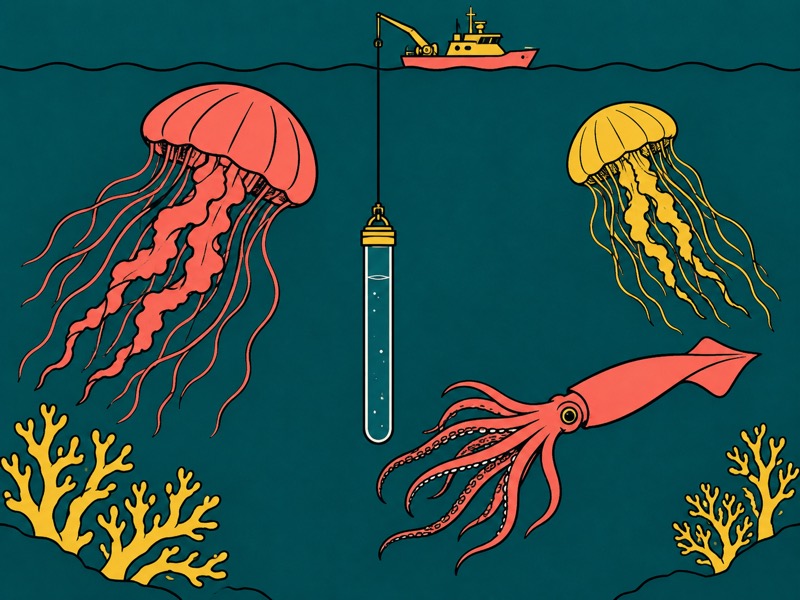
The high-seas treaty took effect for Germany on October 22nd and for Australia and Canada on October 23rd. Its bargain extends to samples, data and the capacity to use them
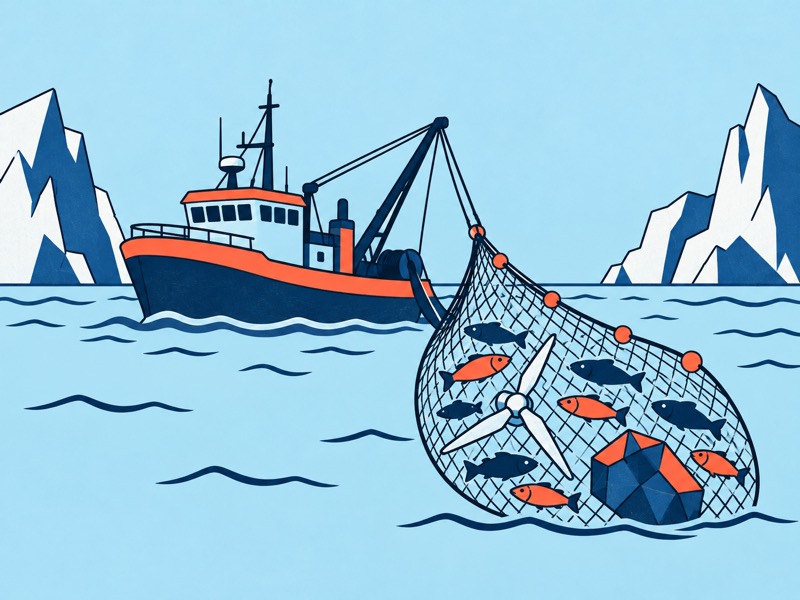
Licence fees, inspections and scientific advice give substance to an Arctic partnership expanding into energy, connectivity and raw materials