Energy security · European Union
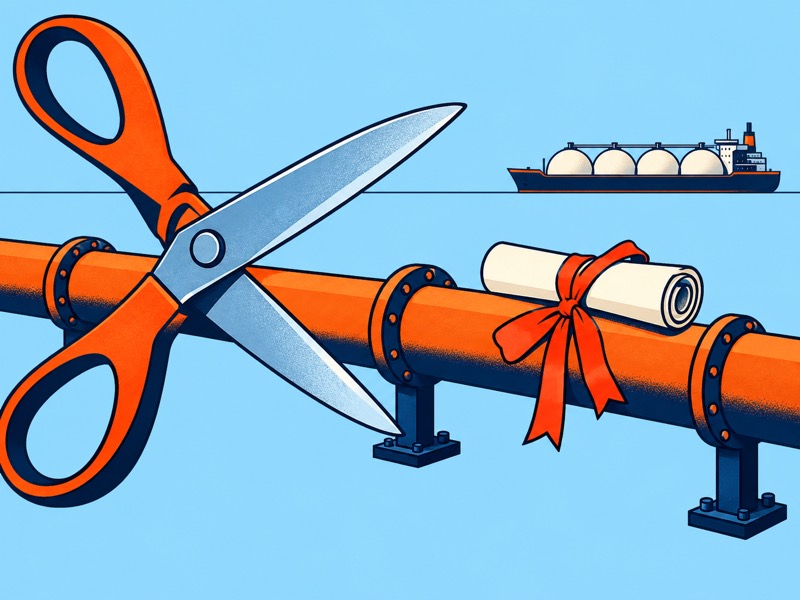
Europe’s gas exit comes down to contracts
The January 2027 deadline for qualifying Russian LNG contracts is approaching. Buyers’ bargaining power will depend on what they have arranged to replace them
Licence fees, inspections and scientific advice give substance to an Arctic partnership expanding into energy, connectivity and raw materials
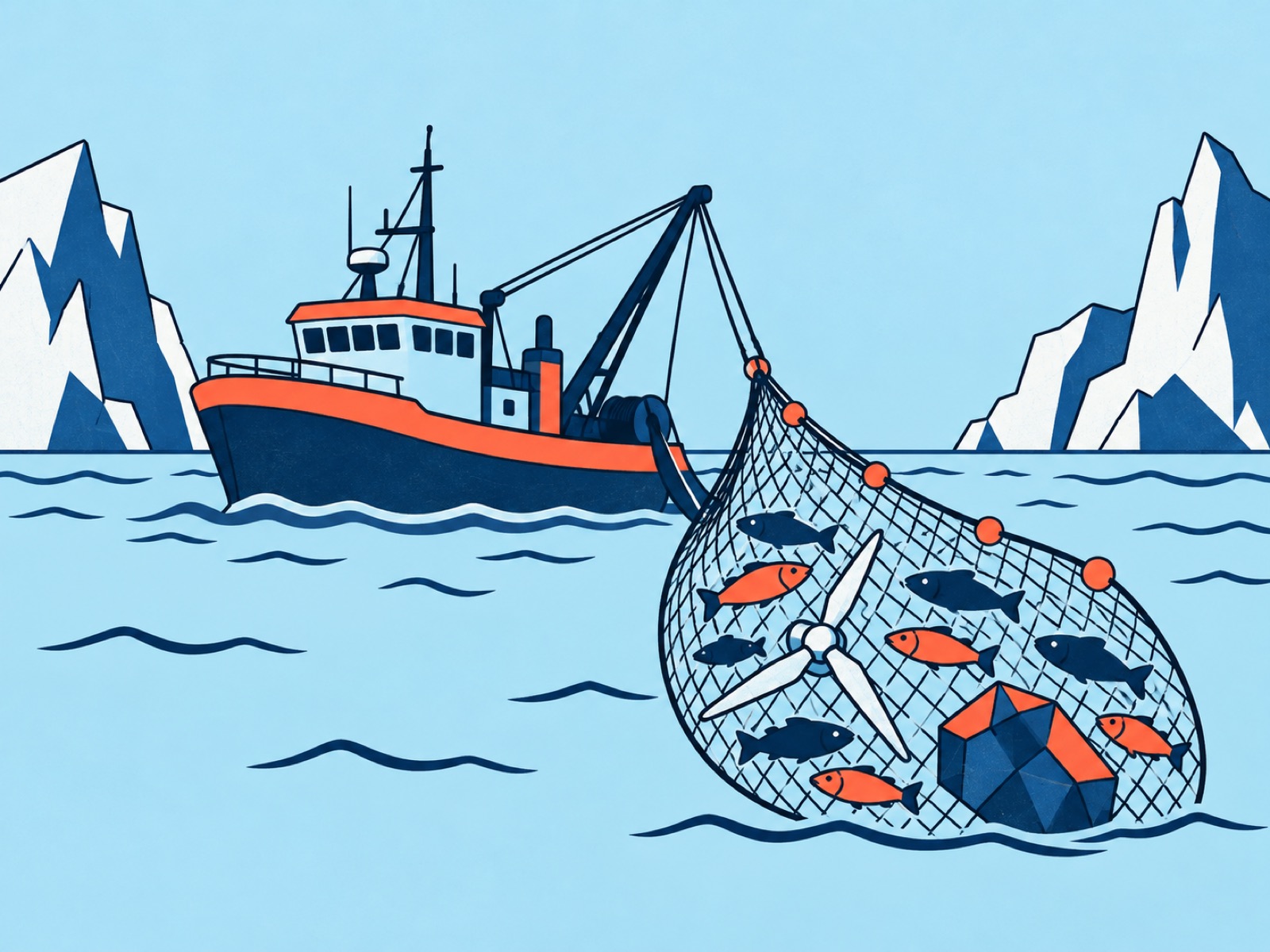
A fisheries control authority, a border inspection post and an institute of natural resources featured on the EU fisheries commissioner’s October 15th–16th visit to Greenland. Costas Kadis met Greenland’s fisheries minister, Peter Borg, to discuss their fisheries agreement and wider cooperation, according to the Commission’s October 19th account. The itinerary placed the machinery of an established trade relationship alongside the ambitions for a broader Arctic partnership.
Fish make the relationship concrete in a way that an investment announcement cannot. Access has a price, stocks need scientific assessment and trade depends on inspection. For Greenland, the ability to administer that exchange helps determine how much value it retains from its resources. For Europe, dependable cooperation requires attention to the institutions doing this work.
Borg emphasised the importance of fisheries to Greenland and the value of the EU market for fish and shellfish. The Commission’s account also linked the discussions to a new joint declaration signed earlier this year. The visit put the management of that existing fisheries relationship alongside the newer plans.
The current fisheries protocol runs from December 12th 2024 to December 11th 2030. The Commission’s protocol guide lists an annual EU contribution of approximately €17.3m, including €3.2m for the sustainable development of Greenland’s fisheries policy. European vessel owners also pay licence fees. Public funding and operators’ payments are distinct parts of the arrangement.
The guide’s fee schedule gives the relationship a tangible commercial dimension. Cod licence fees are €208 a tonne in 2025–26, rising to €225 in 2027–28. For Greenland halibut, the corresponding figures are €321 and €347. These are scheduled licence fees, not fish-market prices. They put a price on authorised access, while the revenue ultimately collected depends on actual activity.
The structure creates a continuing negotiation over the value of access. Greenland has an interest in income from its resources and in maintaining their future productivity. Vessel operators need opportunities worth the cost of fishing and compliance. A longer protocol can help both sides plan, but biological conditions and management decisions remain relevant throughout its life.
Sectoral support is another part of that exchange. The same guide links funding to Greenlandic fisheries-policy objectives, including inspections, scientific advice and support for smaller-scale fishing. That work strengthens the basis on which Greenland can decide what access to grant and under what conditions. Funding them serves the authority managing the resource, as well as the fleets seeking to use it.
The broader relationship is expanding. A Commission factsheet dated September 7th announced a €200m Global Gateway partnership package covering connectivity, sustainable energy and critical raw materials. The package is an announced commitment; the factsheet does not establish that the projects or spending have been delivered.
The EU’s country profile describes Greenland as an autonomous territory within the Kingdom of Denmark and an overseas territory associated with the EU. Greenland is outside the Union itself. That status matters: cooperation is being developed with Greenlandic authorities through a particular legal and political relationship, rather than through the ordinary administration of an EU member state.
The profile also identifies a €225m allocation for 2021–27 under the overseas-association framework, with 90% directed to education and 10% to green growth. That multi-year allocation, the annual fisheries contribution and the new partnership package have different purposes and time periods. Adding their headline amounts would produce an unhelpful impression of a single spending programme.
Education and administrative capacity may receive less attention than potential mineral development, but they affect who can benefit from diversification. New activities need skilled workers, functioning public agencies and businesses capable of supplying them. Otherwise, an investment can generate activity without creating as many durable local opportunities as its headline suggests. The composition of an investment matters as much as its announced size.
This is why the fisheries relationship belongs at the centre of the newer investment agenda. Diversification offers Greenland more economic choices only if it can negotiate, administer and benefit from the activities arriving on its shores. The inspection post and research institute on Kadis’s itinerary are part of that capacity. Europe’s broader ambitions will be more credible if they build on the institutions Greenland already uses to manage its most established bargain.
The January 2027 deadline for qualifying Russian LNG contracts is approaching. Buyers’ bargaining power will depend on what they have arranged to replace them
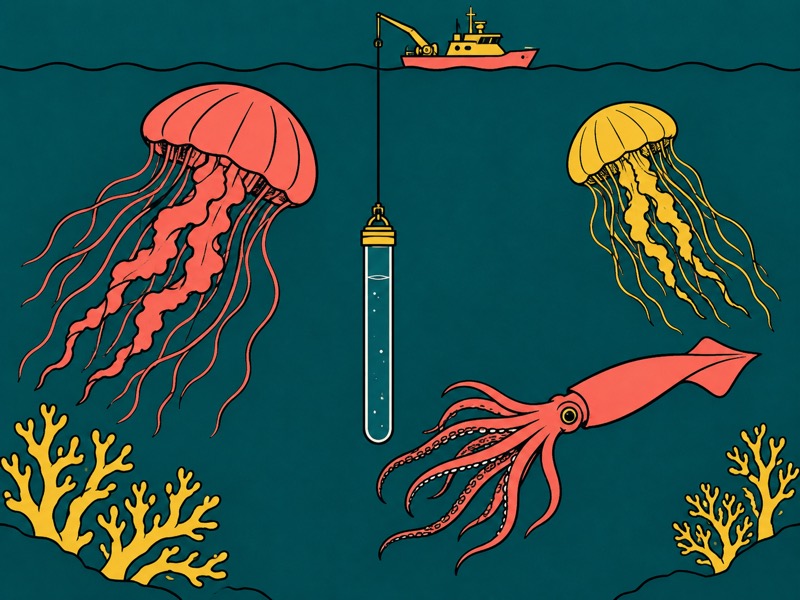
The high-seas treaty took effect for Germany on October 22nd and for Australia and Canada on October 23rd. Its bargain extends to samples, data and the capacity to use them
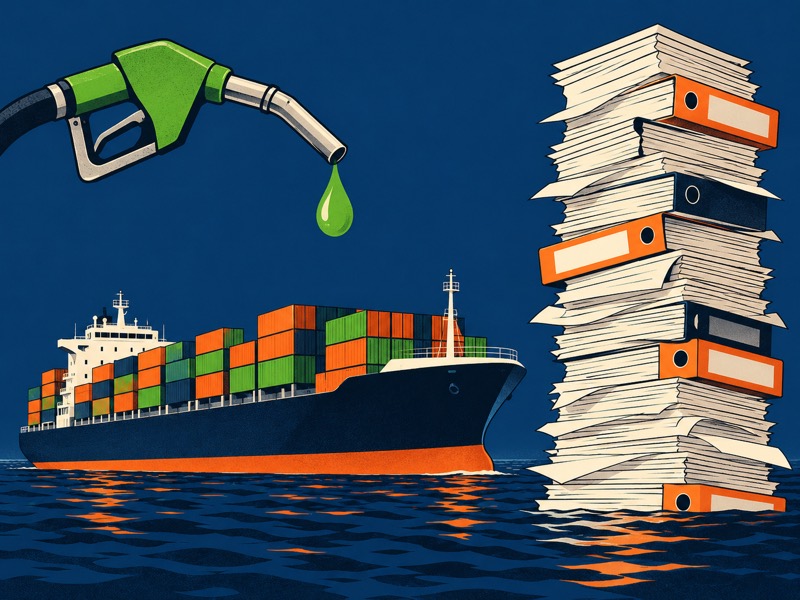
Deferred work on emissions accounting leaves shipowners and fuel producers waiting for rules that could determine what a cleaner fuel is worth