Energy security · European Union
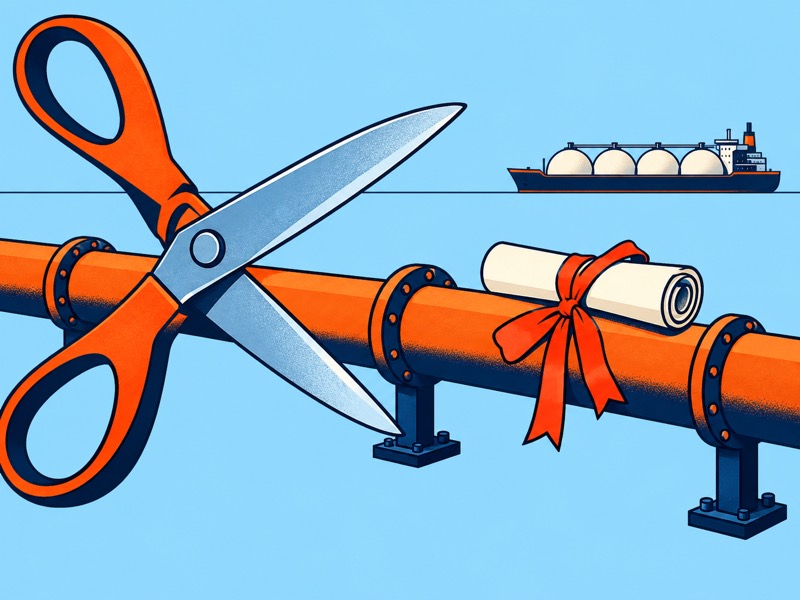
Europe’s gas exit comes down to contracts
The January 2027 deadline for qualifying Russian LNG contracts is approaching. Buyers’ bargaining power will depend on what they have arranged to replace them
Deferred work on emissions accounting leaves shipowners and fuel producers waiting for rules that could determine what a cleaner fuel is worth
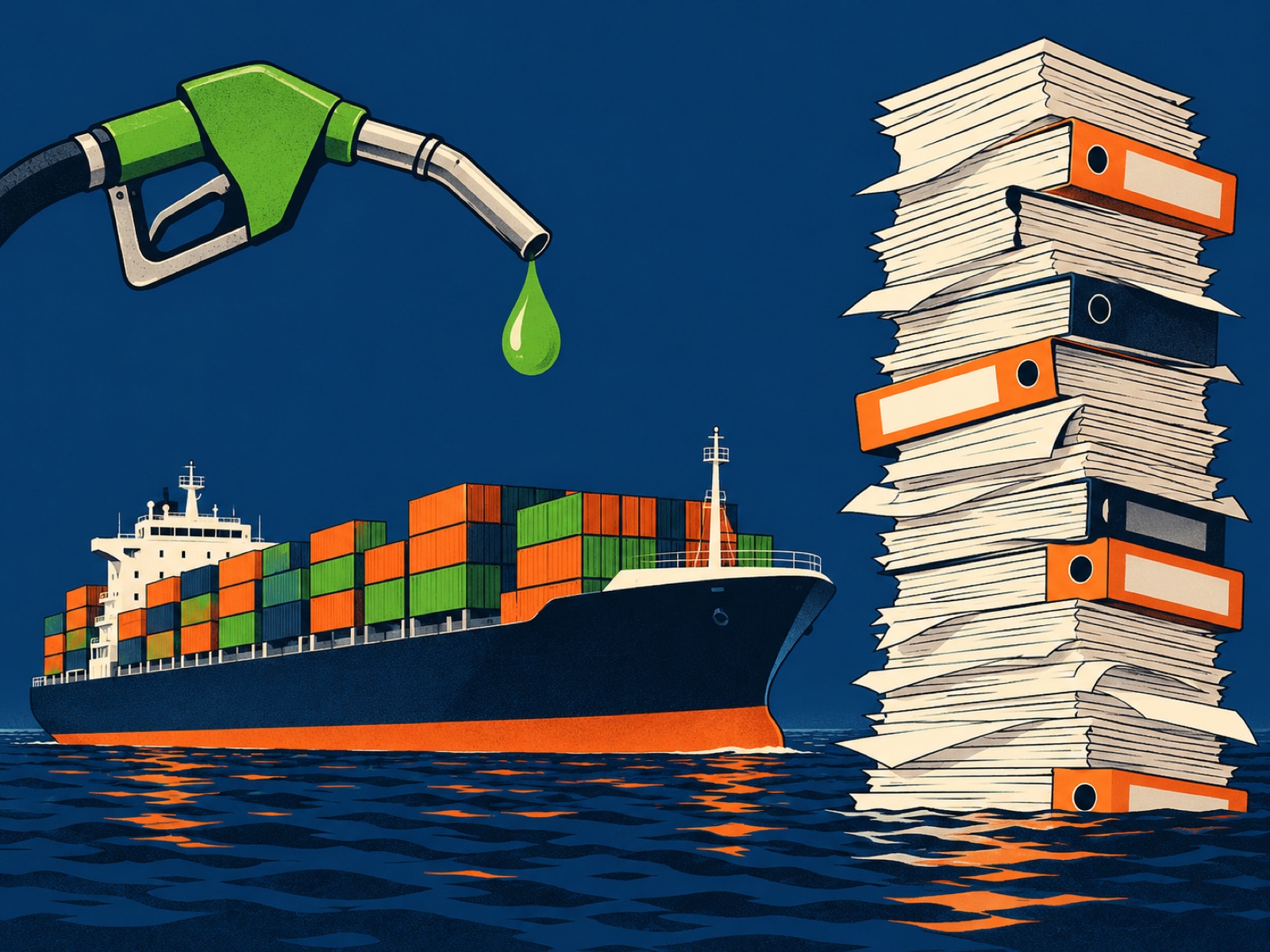
Shipowners and fuel producers still lack a final global rulebook for the International Maritime Organization’s proposed net-zero framework. At talks on September 1st–4th, governments continued discussing concerns about the draft. Work on implementation guidelines and lifecycle emissions assessment was deferred because time ran short. The IMO’s meeting summary schedules the next working group for November 23rd–27th, ahead of a committee session beginning on November 30th.
The framework was approved in draft form in April 2025, but the extraordinary session convened to consider adoption in October 2025 was adjourned. The record of that session describes continued work towards agreement. The proposed emissions-pricing system still has to cross the adoption threshold.
For a producer considering a fuel plant, the missing rules bear directly on demand: what will shipowners be rewarded for buying? For an owner considering a vessel, the questions run the other way: which fuels will be available, and how will their emissions count? The negotiations link investments made by different businesses, often years before the fuel reaches a ship.
The proposed system combines a marine-fuel emissions standard with a pricing mechanism. Its lifecycle approach would count emissions associated with producing and supplying a fuel as well as burning it onboard. The IMO’s framework guide describes performance thresholds, transferable surplus units and payments for remedial units. These remain descriptions of the proposed design, subject to the adoption process and further negotiations.
Lifecycle accounting changes the commercial comparison. Two fuels that appear similar at a ship’s tank can have different production histories. A cleaner engine outcome is only part of the calculation if producing the fuel creates substantial emissions elsewhere. Certification then becomes economically important: a buyer needs credible evidence of what it is purchasing, rather than a label that cannot be traced.
The choice of a tracing method can therefore influence which producers can compete. At its April–May 2026 meeting, the IMO’s environment committee arranged an expert workshop on models for tracing fuel origins and movements through supply chains. It also allowed governments to submit adjustments to the previously approved draft. The MEPC 84 summary makes clear that governments were still working towards broader agreement.
A tracing system has to be demanding enough to support confidence, yet practicable across ports, producers and trading chains. If compliance depends on records that only the largest participants can afford to assemble, smaller suppliers could struggle to compete. If verification is weak, honest producers could lose the benefit of making a cleaner product. The evidentiary burden is part of the commercial bargain, not an appendix to it.
A shipowner waiting to order can preserve flexibility while a producer of lower-emission fuel may struggle to obtain purchase commitments. The producer needs a dependable premium to justify investment; the shipowner needs confidence that the fuel and rules will be there. A delay can protect one balance sheet while straining another, even before governments settle the policy.
Governments also have different exposures to changes in shipping costs. The April 2025 committee record called for further assessment of potential food-security effects between adoption and entry into force. The assessment would help governments weigh the distribution of costs alongside the framework’s environmental purpose.
Participation in the negotiations has its own budget constraint. September’s meeting report said a voluntary fund supporting delegates from developing countries faced an expected 2026 shortfall of about £220,000. Without delegates able to follow the technical work, a government has less opportunity to scrutinise rules affecting its trade. A funding gap that is small beside the cost of a vessel can still influence whose concerns are represented through a long negotiation.
The current schedule lists December 4th for resuming the extraordinary session, subject to discussions at the preceding committee meeting. It is a conditional date, not an adoption guarantee. Even adoption would be followed by the treaty’s acceptance and entry-into-force steps.
The commercial bargain will ultimately turn on a fuel delivery that can be documented. A producer must be able to demonstrate the emissions associated with its product; a shipowner must know how those figures affect compliance and cost. Until negotiators settle both the incentives and the evidence, a promise to reward cleaner fuel is difficult to turn into a purchase commitment. The paperwork will help determine whether the investment follows.
The January 2027 deadline for qualifying Russian LNG contracts is approaching. Buyers’ bargaining power will depend on what they have arranged to replace them

The high-seas treaty took effect for Germany on October 22nd and for Australia and Canada on October 23rd. Its bargain extends to samples, data and the capacity to use them
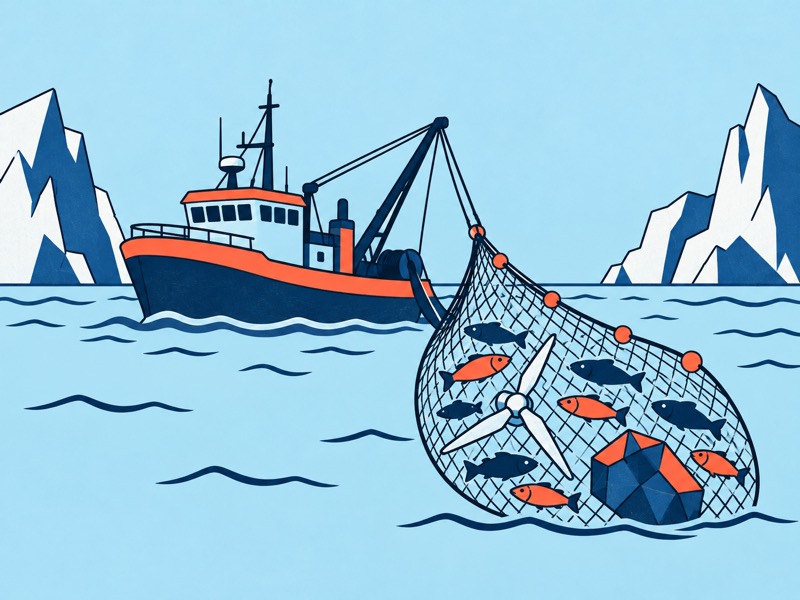
Licence fees, inspections and scientific advice give substance to an Arctic partnership expanding into energy, connectivity and raw materials