Energy security · European Union
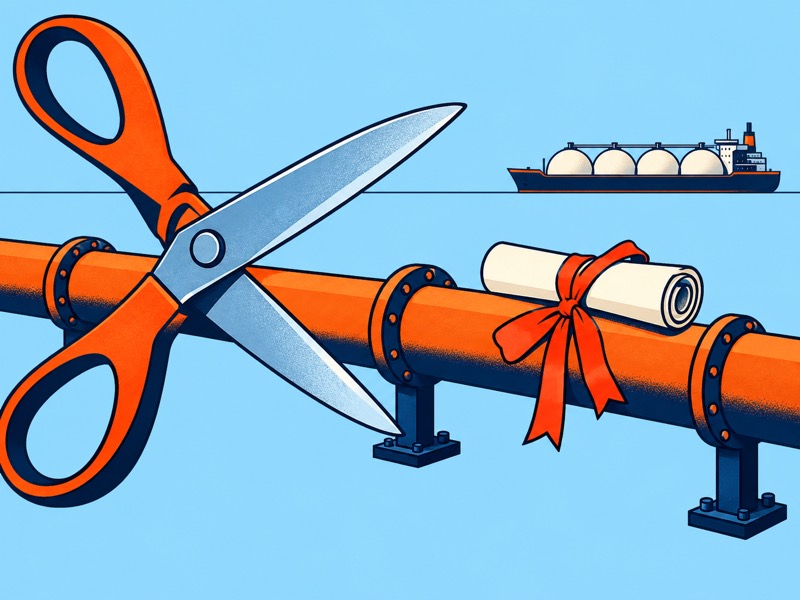
Europe’s gas exit comes down to contracts
The January 2027 deadline for qualifying Russian LNG contracts is approaching. Buyers’ bargaining power will depend on what they have arranged to replace them
The high-seas treaty took effect for Germany on October 22nd and for Australia and Canada on October 23rd. Its bargain extends to samples, data and the capacity to use them
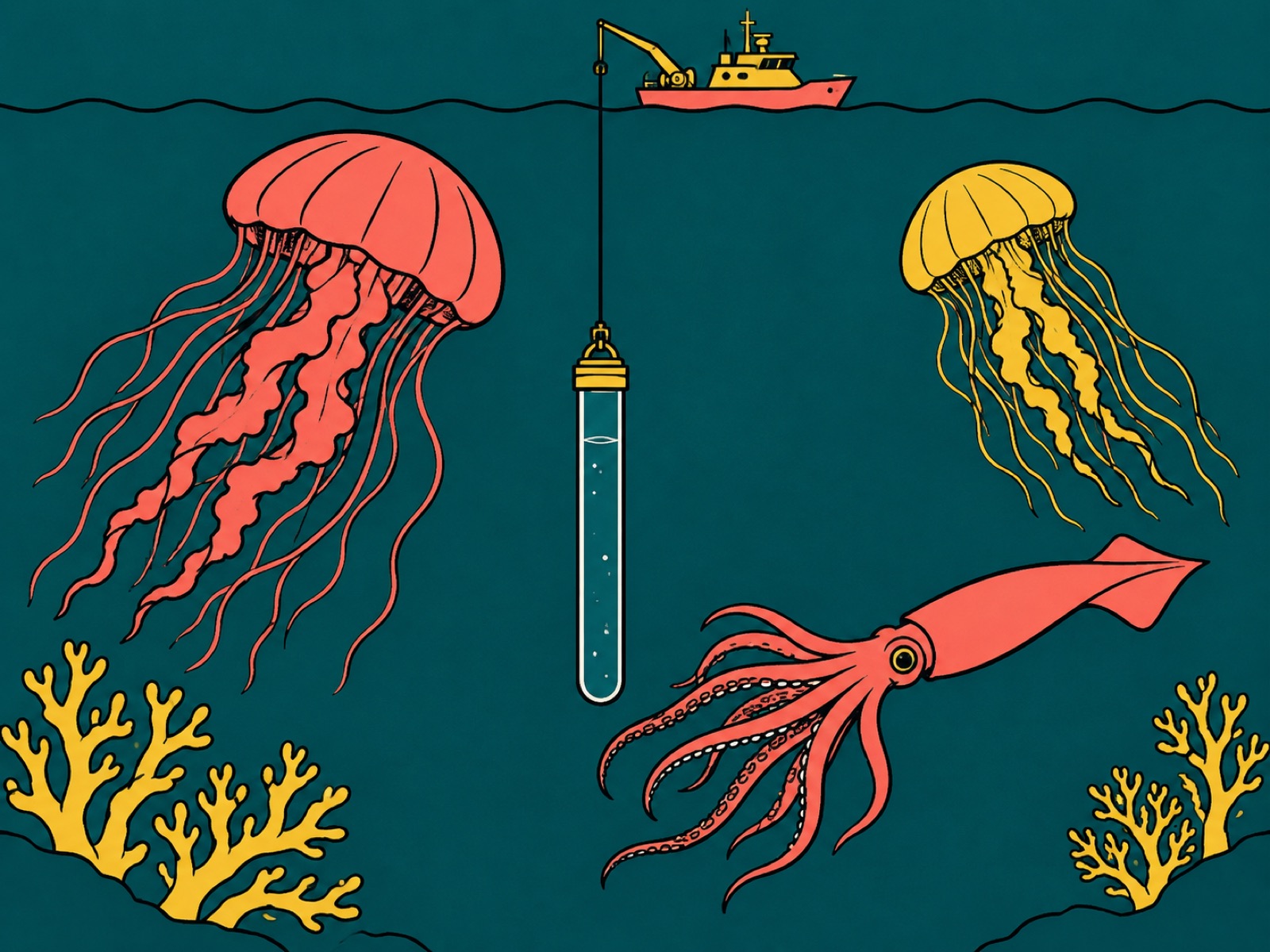
Three September ratifications have widened the high-seas treaty’s effective membership. Germany deposited its instrument on September 22nd; Australia and Canada followed on September 23rd, according to the United Nations depositary. Under the treaty’s 30-day rule for later ratifiers, it took effect for Germany on October 22nd and for Australia and Canada the following day. The dates follow from Article 68 of the treaty text.
The agreement itself entered into force on January 17th 2026. Its formal title concerns the conservation and sustainable use of marine biological diversity beyond national jurisdiction, usually shortened to BBNJ. Its bargain reaches beyond the creation of protected areas. Countries with the means to collect and study marine resources will help shape how the resulting knowledge is shared with countries lacking that capacity.
That puts scientific institutions alongside diplomats in the treaty’s operation. A government’s ratification creates responsibilities that laboratories and public agencies will have to organise into workable procedures. Which samples and data become accessible, and who can make use of them, will affect the distribution of the agreement’s benefits.
Article 14 covers the sharing of benefits from marine genetic resources and their digital sequence information. These benefits include access to samples and scientific data, as well as monetary arrangements. The text also creates an access-and-benefit-sharing committee. The question is how knowledge obtained from a common space becomes useful beyond the institutions equipped to collect and study it.
A sample in a collection and a sequence in a database are different forms of access, but neither is equally useful to every recipient. Preserving material, analysing it and pursuing further work require trained people and equipment. A payment formula alone cannot bridge that gap. The ability to use shared knowledge is part of the distributional bargain, as well as the right to receive it.
The BBNJ High Ambition Coalition, co-chaired by Palau, Seychelles and the EU, places equitable sharing and effective implementation among its priorities. That combination of small island states and a large economic bloc illustrates the treaty’s political coalition. Members may share an interest in a functioning system while approaching its distributional questions from very different positions.
Researchers also need to know what to record at collection and what to share afterwards. Administrations must connect material with its subsequent uses without making cooperation so cumbersome that institutions avoid it. These choices can affect a laboratory with a small staff differently from one able to maintain a dedicated compliance team. The procedures will help determine how broadly the treaty’s scientific opportunities are used.
The depositary records declarations by the new ratifiers. Germany, Australia and Canada invoke the treaty’s permitted exception concerning genetic resources and sequence information collected or generated before the agreement enters into force for them. Their declarations make the temporal boundary explicit while leaving the wider treaty commitments intact.
The date attached to a specimen or sequence consequently matters. Institutions need to establish when resources were collected or sequence information generated, then determine which obligations apply. The exception can reduce uncertainty about older collections, but only if the records are good enough to show which side of the temporal boundary they fall on.
The treaty also requires coordination with existing international bodies and frameworks. It does not simply replace the organisations already responsible for particular activities at sea. Agencies dealing with the same waters will need to exchange information and understand how their decisions fit together. The treaty adds a responsibility for coordination alongside its new substantive obligations.
Political influence will consequently depend on sustained participation. A country with a small delegation may formally have a seat but struggle to follow several technical discussions at once. Support for expertise and participation is therefore part of the balance of power within an environmental agreement, not an optional administrative extra.
Germany, Australia and Canada took on these obligations on October 22nd–23rd. Their entry widens the group responsible for a bargain that cannot be measured simply by counting ratifications. A shared sample that no recipient can analyse offers a limited benefit. The more demanding promise is to give countries a practical stake in discoveries made beyond their own shores, and enough capacity to exercise it.
The January 2027 deadline for qualifying Russian LNG contracts is approaching. Buyers’ bargaining power will depend on what they have arranged to replace them
Licence fees, inspections and scientific advice give substance to an Arctic partnership expanding into energy, connectivity and raw materials
Deferred work on emissions accounting leaves shipowners and fuel producers waiting for rules that could determine what a cleaner fuel is worth