Germany · Chinese investment
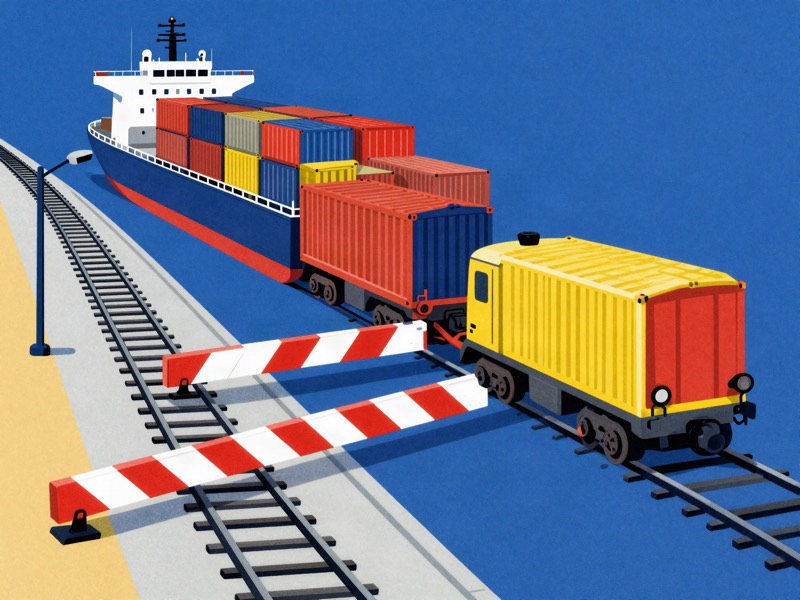
Beyond the quayside
Blocking a Chinese takeover of Zippel puts the inland connections of Hamburg's port at the centre of an argument over economic security
India is protecting sugar supplies by changing what can go into its fuel, exposing the agricultural limits of energy independence

India's effort to replace imported oil with domestic crops has encountered a shortage of flexibility. An ethanol tender issued on October 16th excludes fuel made from sugarcane juice, sugar syrup and B-heavy molasses. The government wants more sugar available for consumption. It still wants ethanol for motorists. The latest procurement round moves the strain from one part of the agricultural economy to another.
Bharat Petroleum issued the tender on behalf of state oil marketing companies, seeking around 11bn litres for the supply year beginning in November. ChiniMandi's account of the document and subsequent reporting by ThePrint describe the change: no sugar diversion through the excluded routes, but continued eligibility for C-heavy molasses, maize, damaged grain and surplus rice supplied by the Food Corporation of India. The distinction between different kinds of molasses is central to the policy.
The Indian Sugar & Bio-Energy Manufacturers Association, or ISMA, says C-heavy molasses allows mills to supply ethanol without sacrificing recoverable sugar. In its response on October 19th, the association supported protecting domestic sugar availability. It also objected to carrying the tender's preference for dedicated ethanol plants into future years. The argument is already about which producers will retain access to the state-backed fuel market when the crop recovers.
The supply concern has a geographical basis. In an October 5th assessment, the US Department of Agriculture's New Delhi office reported crop surveys in Maharashtra, Karnataka and Uttar Pradesh. Its staff described rainfall stress affecting cane yields and sugar recovery, waterlogging in Maharashtra and pest damage in parts of Uttar Pradesh. It expected water shortages to complicate milling into early next year. These are crop assessments and forecasts, rather than a final accounting of the harvest.
Recoverable sugar matters as much as the amount of cane standing in fields. Mills process a bulky crop whose value depends on what they can extract from it. Keeping more cane products out of the fuel stream can preserve food supply, but cannot repair a damaged crop. The tender changes the allocation of an uncertain harvest; it does not make that harvest larger.
New Delhi had already intervened before the ethanol decision. An August food-ministry statement announced limits on stocks held by dealers and bulk consumers, inspections at mills and permission for duty-free raw-sugar imports. It also urged an earlier start to crushing. These measures addressed different points in the chain: inventories, imports and the arrival of the new crop.
The same statement rejected the claim that ethanol diversion explained the recent sugar-price rise. Officials instead cited weaker-than-expected production, festive demand, weather damage and alleged hoarding. October's restriction need not overturn that diagnosis. A government can conserve an available food supply without establishing that its fuel programme caused the original shortfall. The relevant policy question is how much room remains to pursue both objectives.
Energy security is an explicit justification for India's ethanol programme. In July, the petroleum ministry described wider feedstock eligibility and long-term purchases by oil companies as foundations for expanding domestic fuel supply. Dedicated plants were encouraged through assured offtake and financing arrangements. That background explains why reallocating procurement is more contentious than simply switching a shopping list.
An industrial plant and an annual crop operate on different clocks. A distillery is financed for years; its feedstock may change with a season's weather and food balance. Long-term purchase commitments can persuade a lender to support construction. Preferential access for those plants can then frustrate sugar mills that also built distilling capacity. The present disagreement is the result of trying to accommodate both forms of investment within one procurement system.
ISMA's concern is seasonal. When sugar is plentiful, converting some of it into ethanol provides an outlet that can support mills' cash flow and payments to cane growers. The association fears that continued preference for dedicated plants would restrict that outlet even in a surplus year. Its position combines support for this season's food priority with a demand to preserve future commercial options.
Grain-based distillers have a separate complaint. ThePrint reported that the All India Distillers' Association wants the government to reconsider the reduced maize incentive and raise the price paid for ethanol made from surplus FCI rice. Its president, Vijendra Singh, argued that viable prices were needed to sustain production. The association's demands have not themselves changed the procurement terms.
Financial Express also reported the maize-price reduction alongside the new tender. Together, the decisions put grain producers in an awkward position: their feedstocks remain eligible as important cane routes are excluded, but eligibility does not guarantee an attractive return. The fuel buyer must consider both the quantity it seeks and the economics that determine whether suppliers can deliver it.
The policy's international significance lies in that constraint. Replacing imported petroleum can reduce one external exposure while increasing the importance of domestic harvests, water and competing food uses. The choice is not between dependence and complete insulation. It is between different dependencies, with different tools for managing them.
The immediate test is practical: how the permitted feedstocks fill the tender, how sugar availability develops during crushing, and whether suppliers accept the terms without further adjustments. Beyond this season, India needs a credible way to explain when food conditions will change access to fuel procurement. A crop-based energy strategy must be able to accommodate a bad harvest as well as celebrate a good one.
Blocking a Chinese takeover of Zippel puts the inland connections of Hamburg's port at the centre of an argument over economic security
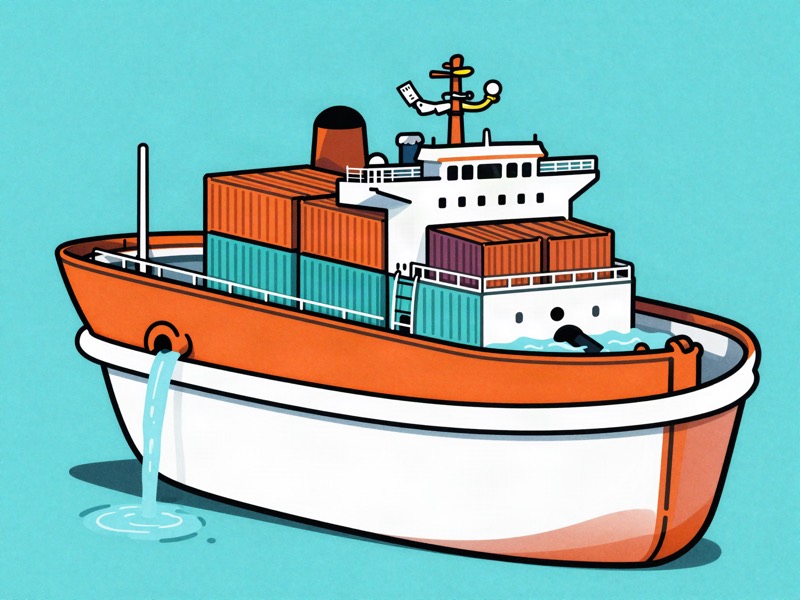
A new reservation programme gives more ships a way to plan ahead. It cannot promise more rain

New European listings focus on the services that connect restricted trade, but measuring their effect will be harder than naming the firms