
Germany · Chinese investment
Beyond the quayside
Blocking a Chinese takeover of Zippel puts the inland connections of Hamburg's port at the centre of an argument over economic security
A new reservation programme gives more ships a way to plan ahead. It cannot promise more rain
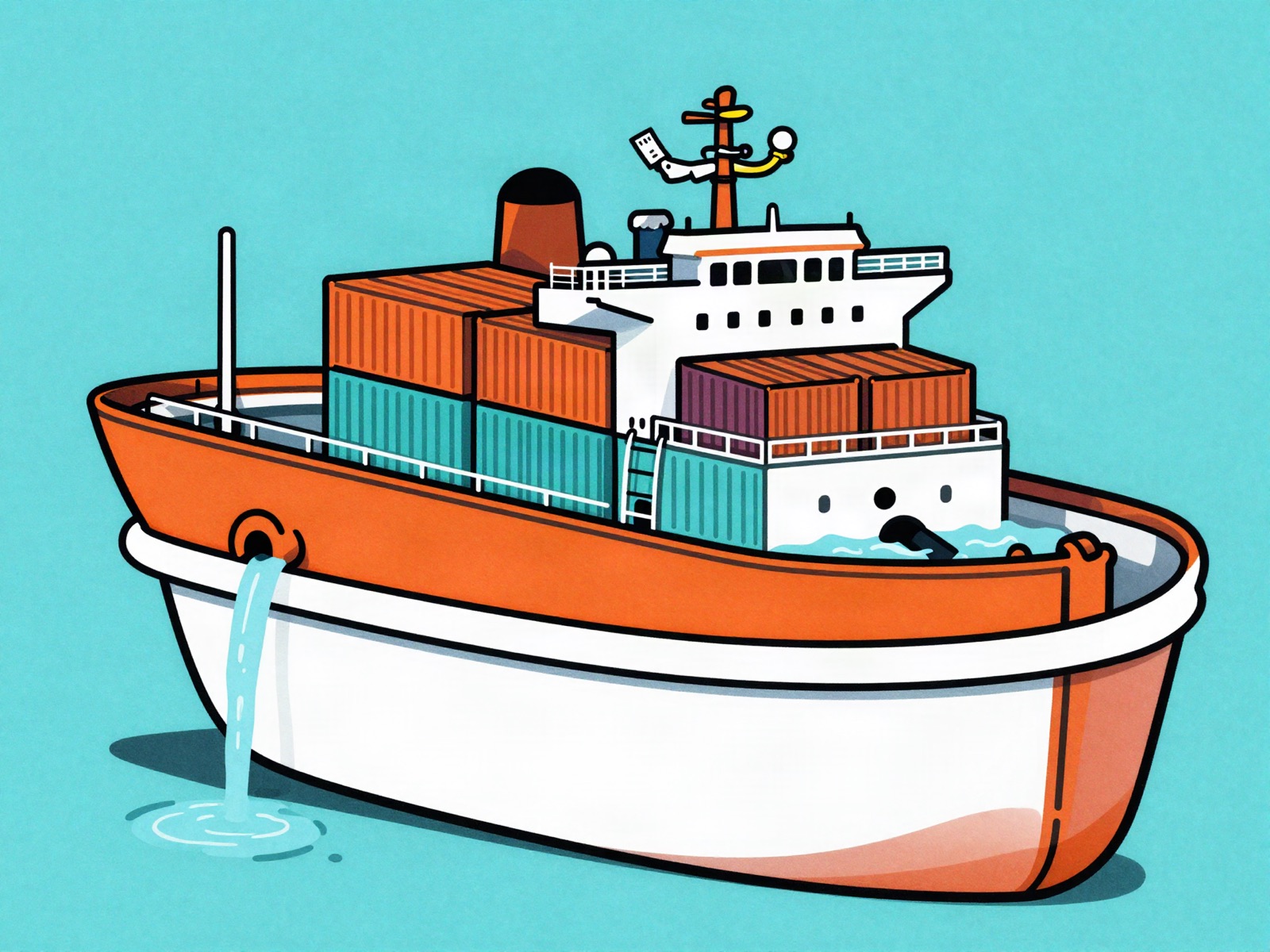
The Panama Canal is offering shipping companies something more valuable than a shortcut: a better chance of knowing when they can use it. On October 5th the canal authority announced an expansion of its long-term reservation programme, including a pilot for the older Panamax locks. The offer is a response to a problem that commercial ingenuity can manage but cannot remove. Ships need reliable schedules. The canal needs water.
The announcement concerns transit dates from January 3rd to April 3rd 2027. Competitions for the larger Neopanamax locks are scheduled for November 17th; the Panamax competition follows on November 24th. Neither auction has happened yet. The change is therefore a proposal for allocating next season’s capacity, not evidence that queues have already shortened or freight costs have fallen.
Its significance lies in who gets to plan. By extending advance allocation to Panamax customers, the authority is broadening access to a commercial tool previously offered through the Neopanamax programme. For traders organising cargoes across oceans, the terms on which a passage can be reserved may matter almost as much as the advertised transit capacity.
The authority’s shipping advisory describes packages secured through sealed bids, reducing dependence on individual booking competitions. It specifically identifies customers with recurring itineraries and those disadvantaged by their position in the regular customer-ranking system. This is an effort to turn an uncertain future queue into a commitment that can be incorporated into a voyage plan.
The distinction matters commercially. Imagine a ship whose delayed arrival would also upset a factory delivery, a terminal booking and its next charter. A reservation may be worth more than the fuel saved by taking the canal. Another ship carrying less time-sensitive cargo could sensibly prefer flexibility. Those are illustrative choices, not evidence about the bids that companies will submit.
The Panamax terms also make clear that buying a package does not dispense with subsequent booking procedures. Customers must request particular transit dates, observe eligibility requirements and accept rules governing changes and cancellations. The programme sells conditional access within an operating system. It is not an unrestricted promise to sail whenever a customer chooses.
The immediate backdrop is less bleak than a simple drought headline suggests. In late September the authority announced an increase in permitted draft and daily transit capacity, with the transit adjustment taking effect in mid-October. The same announcement warned that a water deficit remained and that vessels without reservations could face indefinite delays. An easing of restrictions and a continuing constraint can coexist.
Earlier, in August, the authority had introduced additional measures in response to reduced precipitation in the watershed. Those included changes to the allocation of capacity and continued water-saving operations. Read together, the notices show a system being adjusted as conditions change. They do not establish that every announced slot has been used, or that current conditions will persist through the dry season.
The economic implication is straightforward. Reservations can improve the distribution of scarce capacity without increasing the capacity itself. A shipping line may gain predictability while another has fewer opportunities to book at short notice. That does not automatically make the programme unfair; allocating everything at the last moment has costs too. It does mean that reliability should be judged across customers, rather than only among successful bidders.
A sealed-bid competition can reveal how much applicants value access, but willingness to pay is not the same as the wider economic value of a shipment. A wealthy carrier may tolerate a premium more easily than a smaller operator. Conversely, predictable passage could help a smaller customer that struggles in routine booking competitions. The eventual distribution of awards will matter more than either assumption.
There are also limits to what outsiders will be able to assess. The Panamax terms say that the identities of successful bidders and their bids will remain confidential. That protects commercially sensitive information. It also makes independent evaluation harder. Useful public evidence would include aggregate take-up, unused capacity and the experience of customers using the remaining reservation system, without exposing individual trading plans.
For Panama, the programme is a test of stewardship as well as salesmanship. A canal is useful because many unrelated firms can rely on it. Its authority must reconcile advance commitments with operational flexibility when water conditions change. Overpromising would weaken the very certainty being sold; withholding too much capacity would reduce the programme’s usefulness.
The longer-term water question reaches beyond shipping. In February last year, the authority approved resources for the Río Indio lake project, presenting it as a means of supporting drinking-water supplies as well as canal operations. Its announcement included compensation and resettlement arrangements. Approval of a project is not completion, and an announced compensation framework is not evidence that affected households have received satisfactory outcomes.
That is why the reservation programme should be assessed on its narrower merits. It may help customers coordinate voyages while a much larger water investment is pursued. It cannot substitute for that investment, settle its social costs or make the watershed immune to dry weather.
The coming auctions will show whether customers value the new offer. The subsequent transit season will show whether the promised planning advantage survives operational pressure. Until then, Panama has changed the way access to a constrained route can be bought. The water still determines how much access there is to sell.
Blocking a Chinese takeover of Zippel puts the inland connections of Hamburg's port at the centre of an argument over economic security

India is protecting sugar supplies by changing what can go into its fuel, exposing the agricultural limits of energy independence

New European listings focus on the services that connect restricted trade, but measuring their effect will be harder than naming the firms