
Chip manufacturing
The factory has a say
Record profits leave TSMC with a problem that money alone cannot solve—turning new capacity into dependable production
LVMH’s fashion sales have weakened again while Brunello Cucinelli advances, making a sector-wide recovery too simple a story
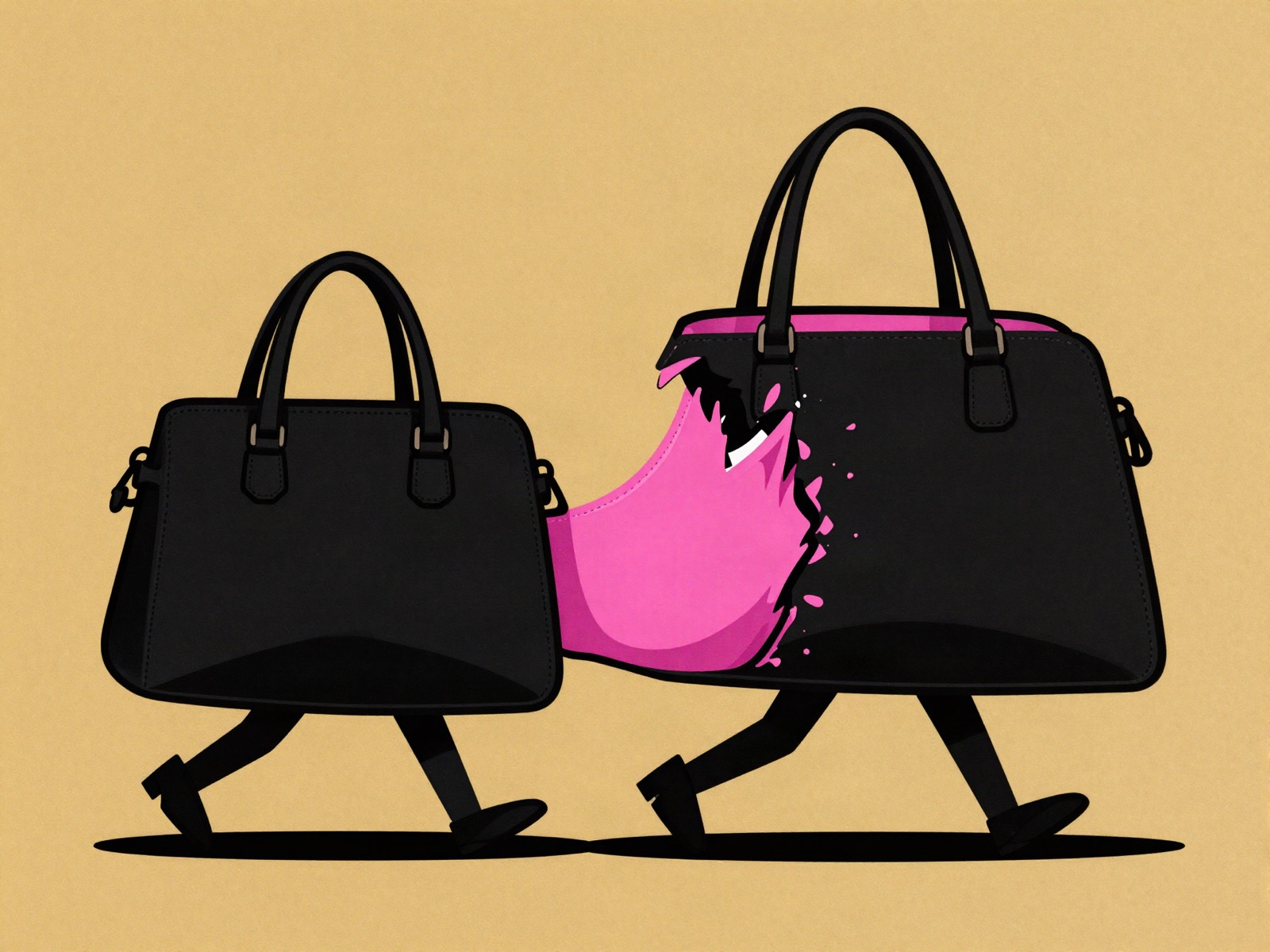
LVMH's fashion business lost ground while its smaller Italian rival advanced. On October 12th the French group reported third-quarter organic revenue growth of 1%, on roughly €18.5bn of sales. Fashion and leather goods fell by 5% on the same basis. Three days later, Brunello Cucinelli raised its full-year revenue-growth forecast to 12% at constant exchange rates.
The contrast is more revealing than a single verdict on luxury demand. LVMH contains businesses selling different products through different channels; Cucinelli is a specialist clothing house expanding its shops. Both depend on affluent customers, but their releases describe distinct operating performances. The task is to identify those differences before treating either company as a proxy for the industry.
LVMH's fashion reversal deserves particular attention because the division is central to its earnings. The July results had shown a return to organic growth in the second quarter. The subsequent decline interrupts that improvement. Growth elsewhere in the group offers support, but it does not demonstrate that the core fashion business has regained momentum.
LVMH attributed the fashion division's weaker quarter partly to slowing Chinese demand, while describing the US market as buoyant. Cucinelli, by contrast, reported continued strong momentum in China as well as the Americas. These are company assessments, not a survey of the same shoppers. Their disagreement is nevertheless a reason to resist explaining every luxury result with one national consumer mood.
A country contains different customers, brands and points of sale. The two releases do not establish which difference caused the divergence. They do establish that weakness at a large group and growth at a smaller house can coexist in the same market. An account that treats geography as the whole explanation would miss the choice of products and businesses being measured.
Sephora supplies another distinction within LVMH. The group reported strong performance at the beauty retailer, supported by established brands and exclusive launches including Rhode and Chinese beauty brands. That is a different commercial proposition from selling a fashion house's own handbags and clothing. The ability to assemble an attractive selection of third-party brands gives the group another way to reach customers.
For LVMH, this diversity spreads its exposure across several businesses. It also complicates the meaning of recovery. Success at a beauty counter need not indicate an equal revival in expensive leather goods. The fashion division must earn its improvement through its own sales; a growing group total cannot supply that evidence on its behalf.
Cucinelli's release is unusually useful about the role of physical space. It names flagship relocations on Rue Saint-Honoré in Paris and Rodeo Drive in Los Angeles, alongside an expansion on London's Bond Street. Completed in the second half of 2025, these projects contributed more strongly to growth earlier in 2026. Their contribution was becoming less pronounced as the year advanced.
Existing shops were also performing. Cucinelli said third-quarter like-for-like sales remained in line with the first half, alongside solid organic momentum. Its account therefore combines continued demand in established locations with the benefit of an expanded estate. Describing its growth as merely the result of opening shops would omit an important part of the reported performance.
The timing of expansion explains why a retailer's growth can change without an abrupt change in customers' enthusiasm. A larger or relocated shop contributes differently as the comparison period catches up with its opening. That makes the ageing of an expansion programme relevant to the next sales report. It should be examined alongside performance at comparable shops, not used to discredit growth that the company has actually earned.
There is also a strategic distinction between expanding access to a brand and relying on a general recovery to bring customers back. Cucinelli's named projects show where it has committed space and attention. The release cannot establish the return on each property, but it makes the source of some additional selling capacity concrete. Investors need not invent a story about changing tastes to understand that part of the expansion.
The accounting measures set a final boundary around the comparison. LVMH's organic revenue removes currency and changes in consolidation scope; Cucinelli's constant-currency measure removes exchange-rate effects. Neither is simply a count of items sold, and neither makes new retail space vanish. Prices and product mix can affect revenue even when currency is held steady.
The 12% Cucinelli number is also a full-year forecast, whereas LVMH's 1% and minus 5% describe a completed quarter. Comparing the direction of the companies' news is useful. Presenting those percentages as equivalent measurements of third-quarter demand would not be. The Italian company is increasing its expectations; the French group's most important fashion business has lost the growth reported in the previous quarter.
LVMH highlighted favourable responses to Jonathan Anderson's designs at Dior and to Loro Piana. Those observations suggest places to look for subsequent progress, but its sales release supplies no complete brand-by-brand results. The next test is whether that creative momentum becomes sustained divisional sales and, in later earnings reports, profit.
For now, the evidence supports a specific conclusion. LVMH's retail diversity is cushioning a fashion setback, while Cucinelli reports strength in both comparable shops and a changing estate. Luxury's recovery is uneven because the businesses are performing differently. The October releases identify some of those differences; they provide little reason to expect the whole industry to turn together.
Record profits leave TSMC with a problem that money alone cannot solve—turning new capacity into dependable production
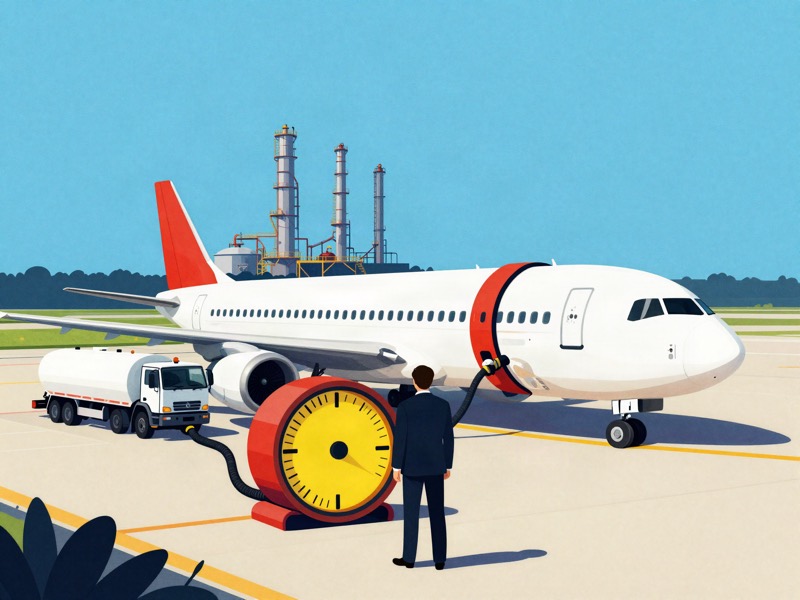
Higher fares and a refinery soften Delta’s fuel shock, but the airline still needs to resist the temptation to grow
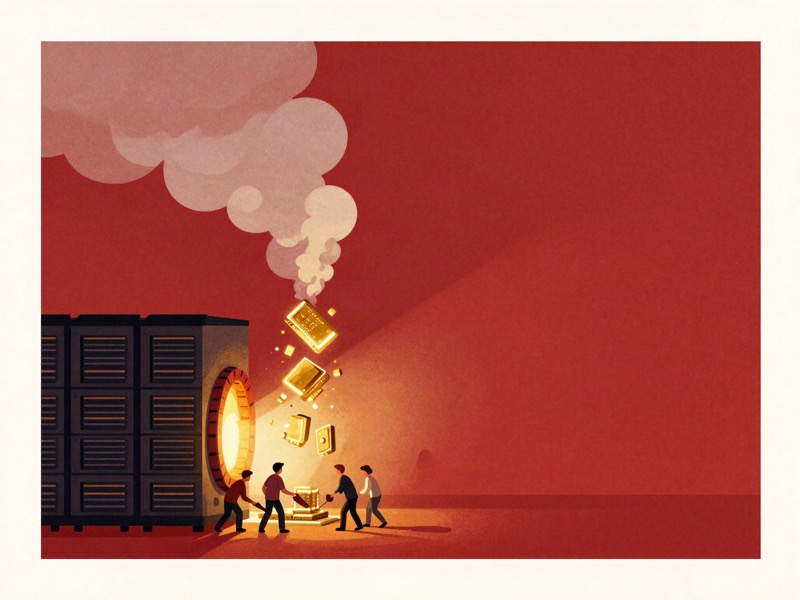
America’s tech giants are spending like railway barons. Investors are starting to ask what they will get back