
Economic statistics · Evergreen explainer
Taking the calendar out
Monthly economic figures become more useful when recurring patterns are removed, but the result remains an estimate
Payment terms can finance a company's growth or make every extra sale consume cash
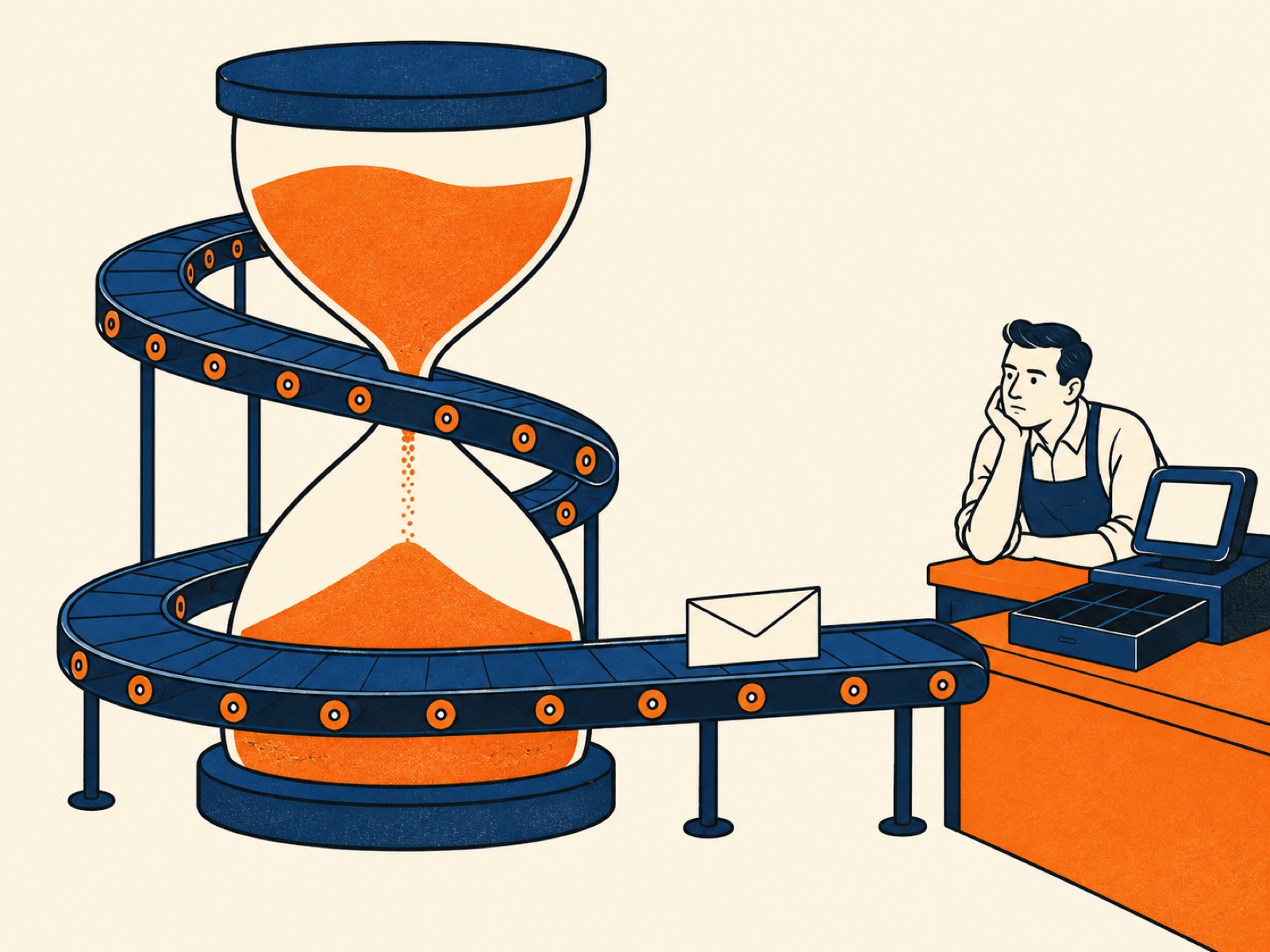
The order is profitable. Financing it is another matter. Materials arrive before the customer pays; wages fall due while finished goods sit in a warehouse. Suppliers may cover part of the wait by allowing time to pay. The cash conversion cycle measures the interval the business must bridge itself.
The standard calculation adds the time goods spend in inventory to the time customers take to pay, then subtracts the time taken to pay suppliers. Inventory days plus receivables days minus payables days equals the cash conversion cycle. Manufacturers must include the time materials spend being turned into finished products. The accounting body ACCA sets out this framework in its working-capital guide.
Consider an invented wholesaler. It receives goods on day zero, sells them on day 40 and collects payment 30 days later. It pays its supplier on day 25, as required. The wholesaler therefore needs financing from day 25 until day 70: a 45-day gap. A profit on the eventual sale does not shorten that interval.
Now suppose a second, otherwise identical business sells the goods on day ten, collects immediately and pays its supplier on day 30. Its cycle is minus 20 days. It temporarily holds sales proceeds before settling the purchase bill. These simplified transactions exclude tax, wages, returns and other expenses; they explain the timing, rather than estimate either business's complete cash requirement.
Amazon described a favourable version in its 2021 annual report: fast inventory turnover generally allowed it to collect from consumers before payment to suppliers became due. Customers' money arrived while some of the associated bills remained unpaid.
Working capital on a balance sheet means current assets minus current liabilities, a wider measure containing more than the three trading accounts. The cycle is a timing indicator. Neither tells the reader, by itself, how much unrestricted cash is available. The SEC's financial-statements guide explains the balance-sheet measure and the separate role of the cash-flow statement.
For the first wholesaler, more orders mean more goods and customer invoices awaiting payment. Unless its terms improve, expansion increases the financing it needs before the sales proceeds arrive. A lender assessing growth must therefore ask about the cash required to support the order book, as well as the margin on each order.
The second business may experience the opposite pattern. More sales can initially bring in more cash than it pays out. But a slowdown can unwind that advantage: bills from earlier purchases still mature while fewer new customers pay. Calling supplier credit permanent funding would miss this reversal.
Amazon's historical filing made the seasonal version explicit. Holiday sales tended to lift year-end cash and accounts payable, followed by payments to suppliers that reduced both in the first quarter. Comparing December with March without allowing for that pattern can make an ordinary seasonal payment cycle look like a deterioration in trading.
Shortening the cycle is not automatically an operational improvement. Collecting earlier might require a customer discount. Holding less stock can leave a business unable to fill an order. Delaying suppliers can damage relationships or lead them to demand cash on delivery. ACCA's guide identifies supplier bargaining power and industry practice as constraints on what management can achieve.
There is another question when a finance provider pays suppliers early while the buyer pays later: who ultimately supplies the credit? In May 2023 the International Accounting Standards Board announced additional supplier-finance disclosures covering obligations, payment dates and liquidity risk, effective for annual periods beginning in 2024. Those disclosures help readers see financing that a headline payables number may obscure.
A falling cash-conversion cycle therefore needs an explanation. Faster stock turnover, more prompt customers and slower supplier payments can produce the same improvement in the headline number, with different consequences for the business. Compare equivalent periods and similar firms, then use the cash-flow statement and financing notes to find out who is funding the change. A shorter clock can free money for investment. It can also mean somebody else is waiting longer for theirs.
Monthly economic figures become more useful when recurring patterns are removed, but the result remains an estimate
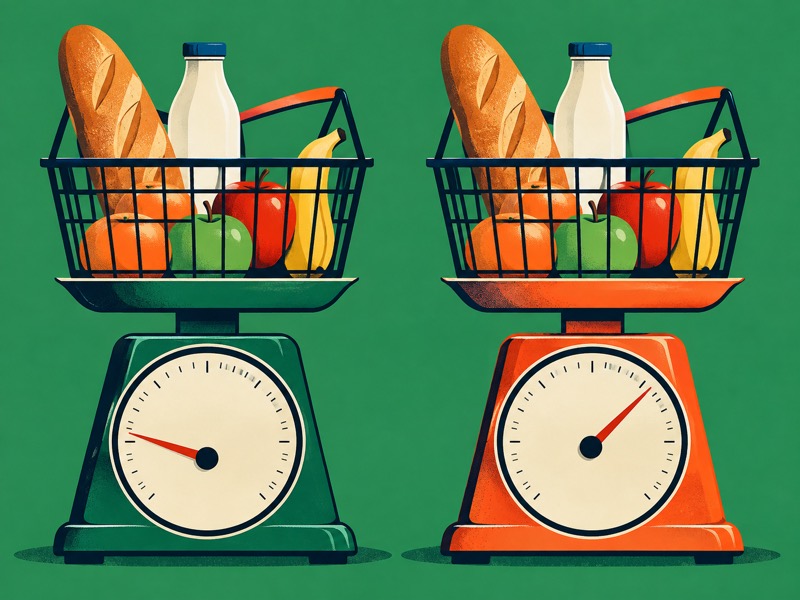
Purchasing-power comparisons measure domestic output differently from the exchange rates used to pay overseas bills
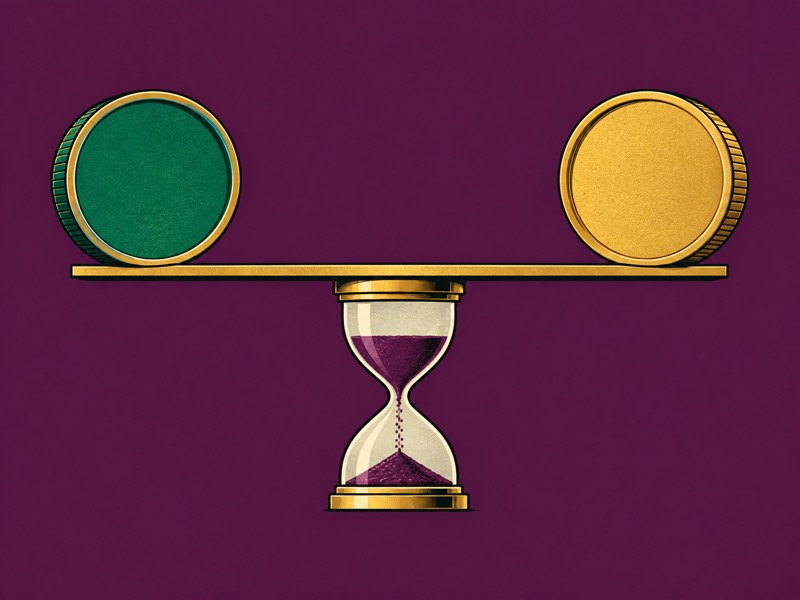
Forward contracts price the timing of money as well as the currency, which changes how foreign returns should be read