Energy security · European Union
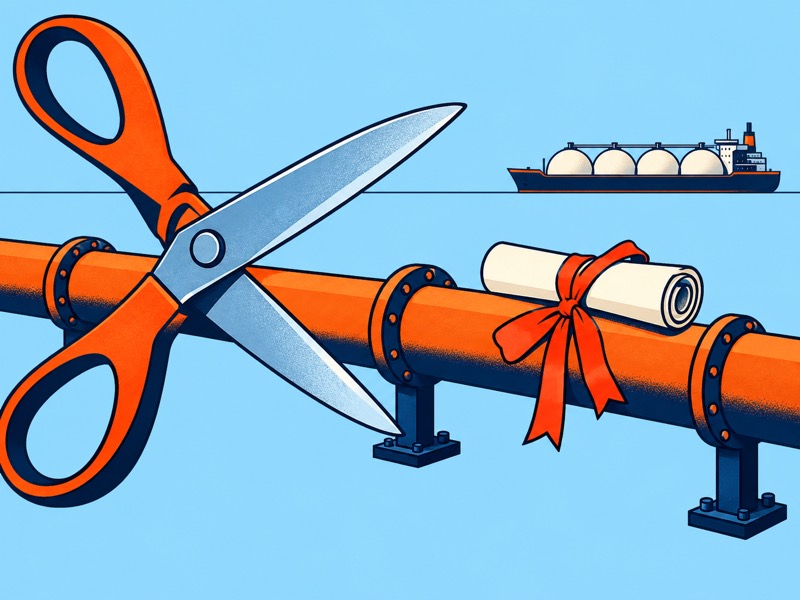
Europe’s gas exit comes down to contracts
The January 2027 deadline for qualifying Russian LNG contracts is approaching. Buyers’ bargaining power will depend on what they have arranged to replace them
Nearly $2.2m in approved grants and Tonga’s first Fund-supported notification reveal the records needed to enforce the WTO’s fisheries-subsidy rules
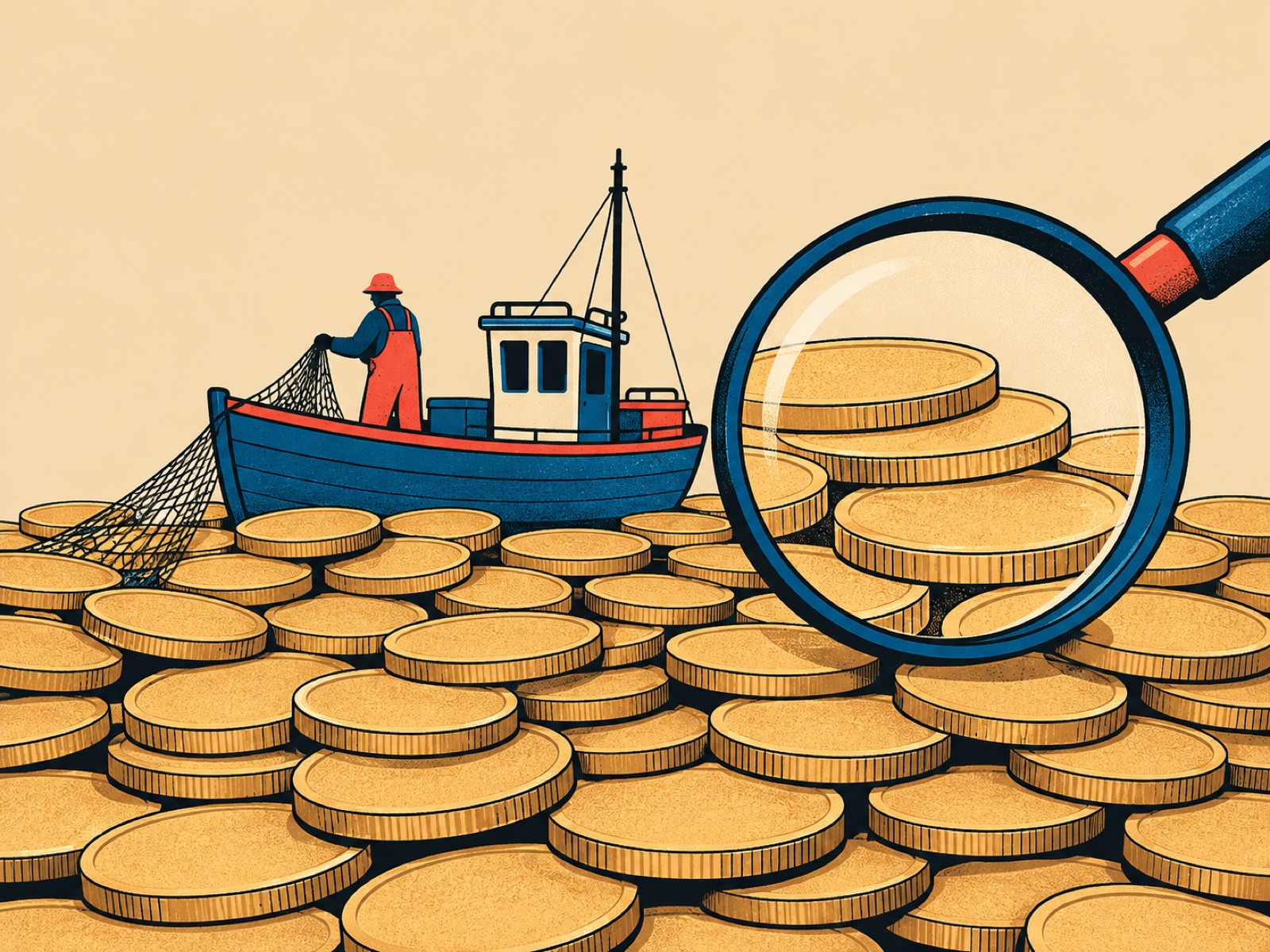
Before a government can decide whether a fishing subsidy breaks the rules, it needs to know what the payment supports. That can mean connecting a financial record to a vessel, an activity and the condition of a fish stock. Nearly $2.2m in grants approved by the WTO Fish Fund for 17 more developing and least-developed members at its July 2nd–3rd meeting is directed at this administrative problem. The July announcement describes work on reporting, data and regulatory systems.
The project list published in August makes the problem concrete. Fiji’s approved project is a national tracker connecting its subsidies to the agreement’s provisions. Guatemala’s concerns monitoring and information-management needs. These are approved projects, not evidence of completed systems. Their design shows where implementation can stall: a government may have a policy and a spending programme without the information needed to judge them together.
The Agreement on Fisheries Subsidies entered into force on September 15th 2025, after the required acceptance threshold was reached. The WTO’s treaty page also records continuing negotiations on additional disciplines. The existing agreement is therefore a substantive starting point rather than a completed ban on every government payment connected with fishing.
The rules cover subsidies associated with illegal, unreported and unregulated fishing, overfished stocks and fishing in certain unregulated high-seas areas. There are qualifications, including provisions concerning the rebuilding of overfished stocks. The WTO’s explanatory factsheet distinguishes these categories and describes notification requirements. A government cannot implement that structure reliably using a single total for its fisheries spending.
The difficulty often lies between agencies. An office administering a financial benefit may know who received it but lack the fisheries information needed to assess compliance. Fisheries officials may hold that information without a complete view of public support. Connecting the records makes the legal categories usable.
Tonga provides a specific early example. On June 3rd it submitted a notification prepared with Fish Fund support, following a May workshop in Nuku’alofa. The Fund’s June account describes it as the first fisheries-subsidy notification enabled by the Fund. Tonga’s fisheries ministry said the work had helped develop its first national subsidy inventory.
An inventory allows officials to examine measures individually and identify where changes may be needed. Keeping it current is a continuing task: a new programme, a changed recipient or a fresh assessment of a stock can alter the picture. A successful workshop provides a starting point for that work, rather than completing it.
Better information also changes the way members can engage with one another. A small administration able to identify its own measures and understand the relevant rules is better placed to answer questions and examine other members’ conduct. Without that capacity, formal equality in a negotiating room can coexist with a substantial practical disadvantage.
The funding mechanism is designed for developing and least-developed members that have accepted the agreement. Its published objectives emphasise implementation assistance and cooperation with the FAO, the World Bank and the International Fund for Agricultural Development. That is a different function from compensating every fisher affected by a policy change. The programme’s success should be judged against the administrative work it finances.
There are limits to what a grant can accomplish. A database needs continuing staff and updates after the initial project ends. A needs assessment can identify a legal gap without ensuring that a legislature will close it. Governments also have to decide how to support livelihoods while respecting the agreement. Technical advice can clarify those choices; it cannot remove their political consequences.
The Fund’s contribution can be assessed through completed inventories, regular notifications and documented corrections to measures that fail the rules. Its grant announcements do not yet establish those outcomes, still less ecological recovery. They identify a practical route by which a prohibition can become an administrative decision.
Fiji’s proposed tracker and Tonga’s notification put that route into view. Officials need to be able to follow public money far enough to understand the fishing it supports, then act on what they find. Without that connection, a treaty can prohibit a category of subsidy while the office making a payment remains unable to tell whether it belongs in it.
The January 2027 deadline for qualifying Russian LNG contracts is approaching. Buyers’ bargaining power will depend on what they have arranged to replace them
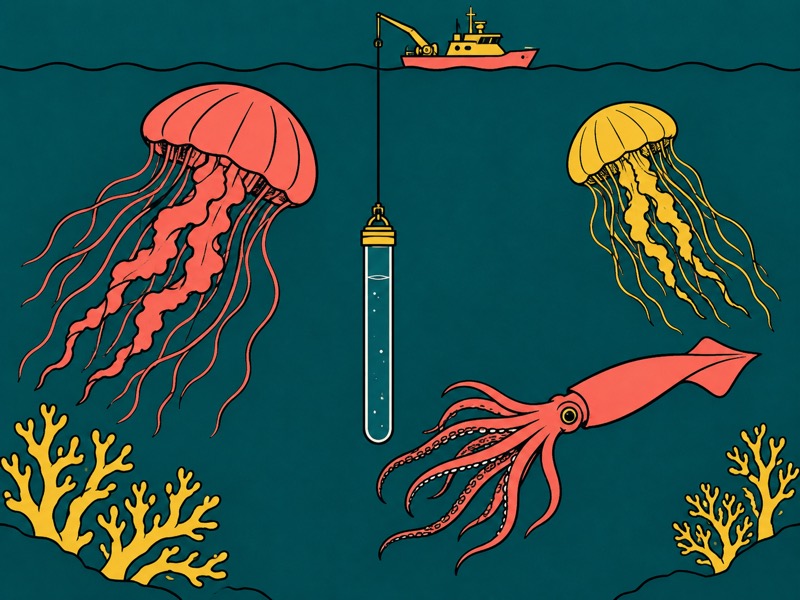
The high-seas treaty took effect for Germany on October 22nd and for Australia and Canada on October 23rd. Its bargain extends to samples, data and the capacity to use them
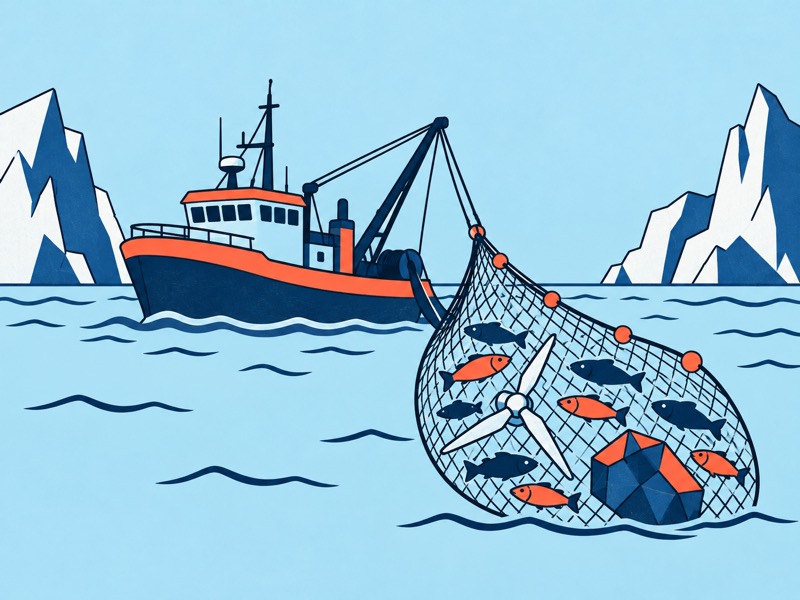
Licence fees, inspections and scientific advice give substance to an Arctic partnership expanding into energy, connectivity and raw materials